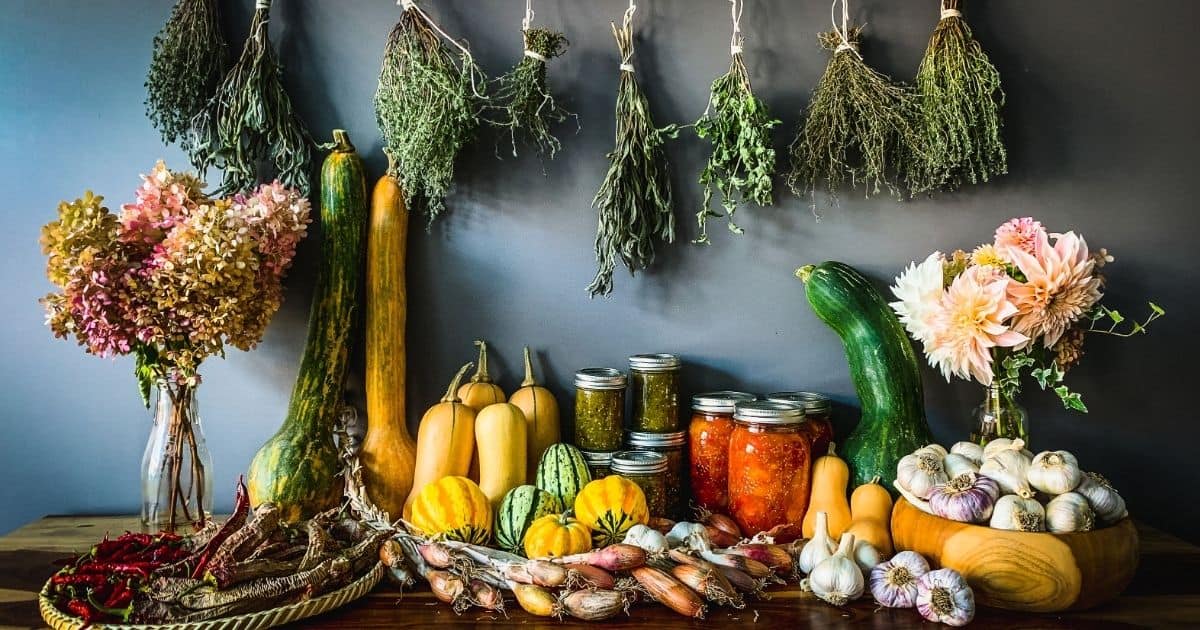
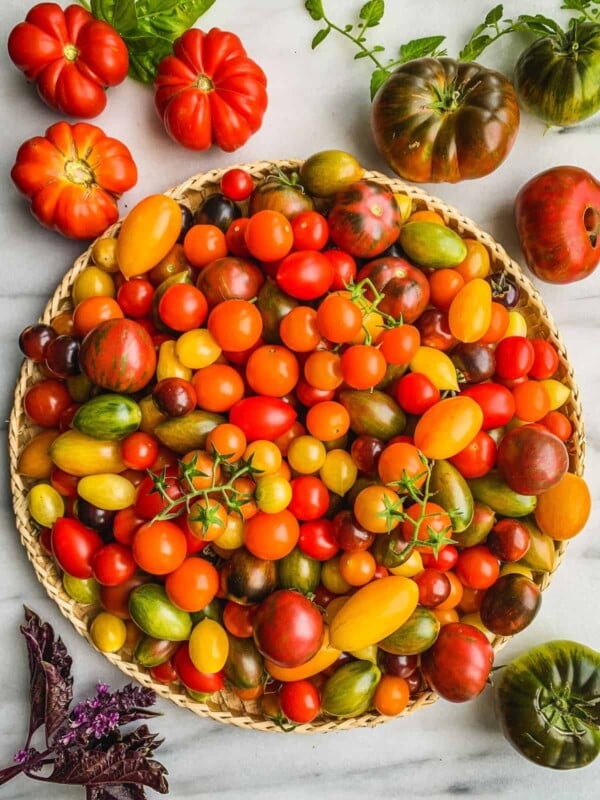
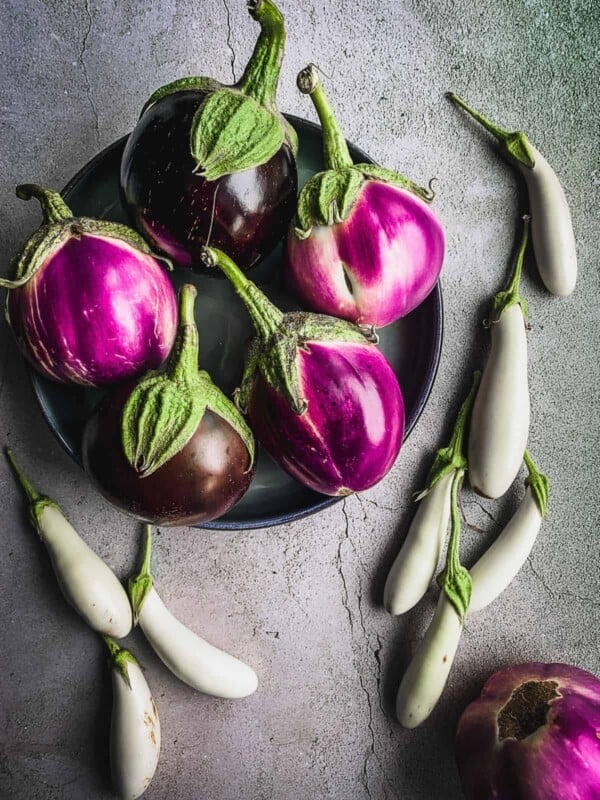
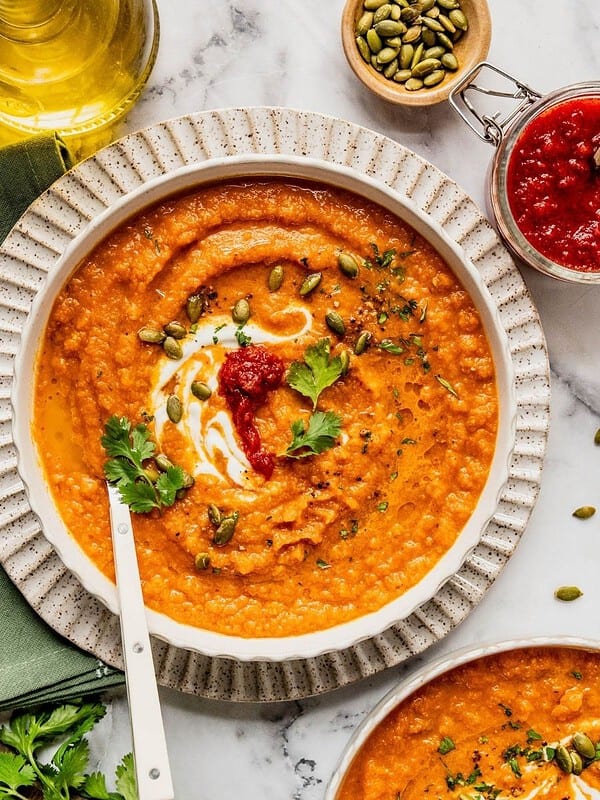
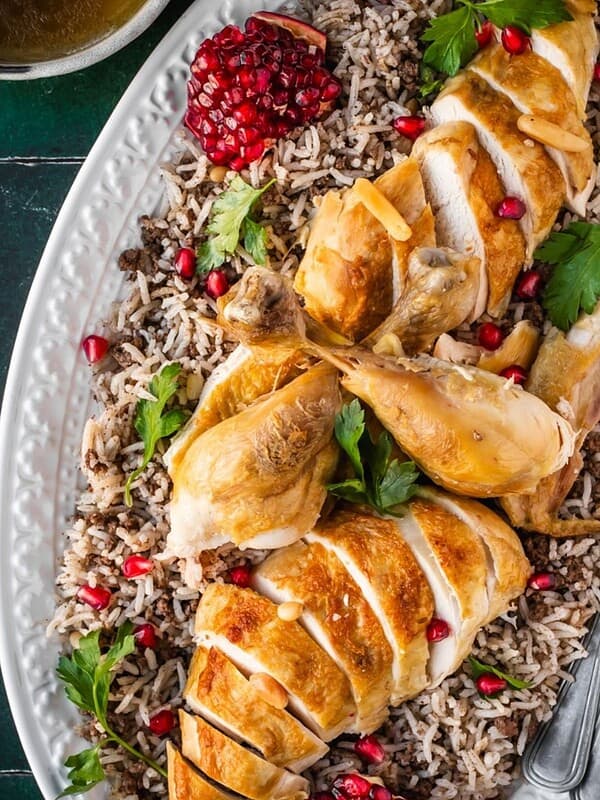
When the garden is overflowing and the first frost is creeping closer, it’s time to make the most of every last tomato, pepper, herb, and root vegetable. These practical fall preserving ideas will help you capture peak-season flavor, reduce waste, and keep enjoying your harvest long after the growing season ends.
This post covers: Pickling, Fermenting, Sauces, Jams and drying herbs. You’ll find 19 recipes and 8 herb guides below!
Why you’ll love this
Make the harvest last: Enjoy homegrown produce well into winter instead of letting an abundant fall harvest go to waste.
Something for every skill level: From quick refrigerator pickles and freezing to fermentation and canning, there’s a preservation method for everyone.
Stock your pantry: Turn seasonal vegetables, fruits, and herbs into useful staples you’ll reach for all year.
Beat the frost: These ideas are perfect for dealing with that final rush of produce before cold weather arrives.
Capture fall flavor: Preserve ingredients at their seasonal best for brighter, fresher-tasting meals later.
Luay Ghafari
Luay is the creator, recipe developer, writer and photographer behind Urban Farm and Kitchen, a blog dedicated to fresh garden-to-table, Levantine and Mediterranean recipes.
Pickling is one of the easiest ways to preserve a late-season harvest, especially when you’re dealing with an abundance of vegetables that need to be picked before the first frost. From cucumbers and peppers to green tomatoes, onions, and root vegetables, a tangy brine can transform fresh produce into something you’ll enjoy for weeks or months to come.
These are all refrigerator pickle recipes, so they are incredibly easy to make if you are a beginner. There’s no need to worry about sterilizing jars, boiling them or any of that!
5 from 5 votes
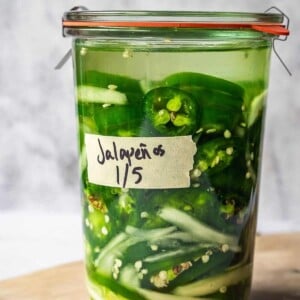
10-Minute Quick Pickled Jalapenos
Once you give this quick pickled jalapenos recipe a try, I guarantee you won't go back to store-bought canned jalapenos ever again. Best of all, this recipe comes together in about 10 minutes!
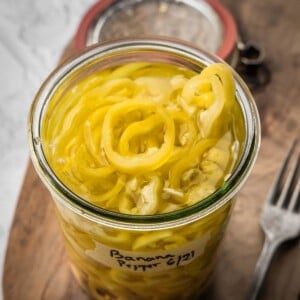
This Pickled Banana Pepper recipe is an excellent starting point on your pickling journey. It’s easy to prepare, straightforward, adaptable, and foolproof! Add these sliced peppers to sandwiches, bowls, shawarma wraps, subs, hot dogs, and hamburgers.
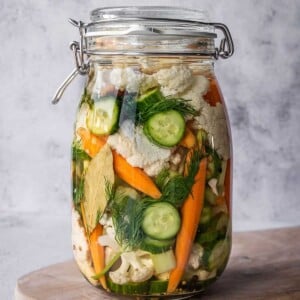
Homemade Giardiniera Pickles, also known as Italian Pickled vegetables, are a staple in my fridge all summer long and a great way to preserve the harvest or farmer’s market haul! Enjoy these pickles on their own straight out of the jar or as a tangy and sweet side dish to rich meals.
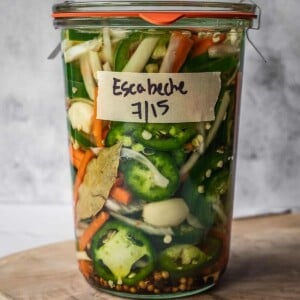
Escabeche (Spicy Mexican Pickled Vegetables) is a classic condiment served at most Mexican restaurants that can easily be made right at home. This refrigerator pickle recipe is not only foolproof and easy, it comes together in under 15 minutes. Enjoy these spicy pickled vegetables with tacos, rice dishes, and eggs.
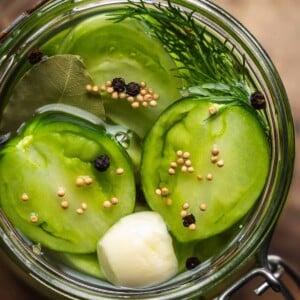
Pickled green tomatoes are a great way to use up those end of the season unripe tomatoes! These tangy, crisp treats are the perfect addition to sandwiches, salads, or enjoyed straight from the jar for a flavorful twist on a classic snack.
Fermentation is a traditional preservation method that uses salt and naturally occurring beneficial bacteria to transform fresh vegetables into tangy, flavorful ferments. It’s particularly useful in fall when the garden is overflowing with cabbage, carrots, peppers, tomatoes, garlic, and other vegetables.
I have included below some of my most popular (and easy to make) Fermentation Recipes.
5 from 9 votes
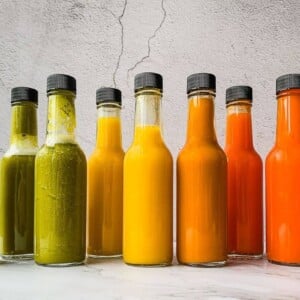
Homemade Fermented Hot Sauce
This small batch recipe for homemade fermented hot sauce is a wonderful way to use those fresh summer peppers from the garden or farmer’s market. If you have never fermented food before, this is a great recipe to start with as it’s easy and almost foolproof.
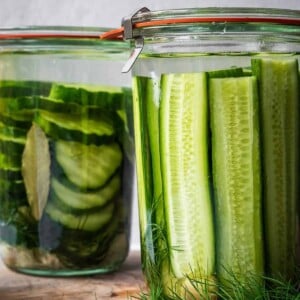
Once you learn how to make your own homemade fermented cucumbers, you’ll never buy store-bought pickles again! This pickle recipe is a great way to start your fermentation journey. It’s simple, easy to follow and the results are crunchy pickles you’ll want to make over and over again.
Fermented jalapenos are a great way to use and preserve that bountiful summer harvest or farmer’s market haul. Whether you are a beginner or an expert fermenter, this recipe breaks down everything you need to know from equipment to fermenting safety. The recipe takes 15 minutes to prepare and the ferment will be ready in a few days.
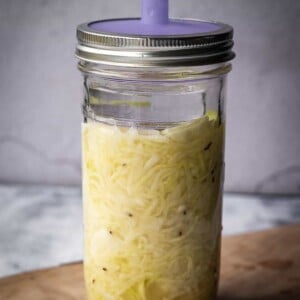
This 3-ingredient Homemade Sauerkraut Recipe (Lacto-fermented cabbage) is a jumping-off point into the wonderful world of fermentation. It’s easy to prepare and incredibly rewarding.
Sambal Oelek (How to make Indonesian Fermented Chili Paste)
Sambal Oelek is a spicy Indonesian chili paste used as a side dish or condiment that can easily be made at home. It’s spicy, sour, salty and can be made slightly sweet. This recipe includes an optional (but recommended) fermentation step to amp up the flavor. Use it to season noodle dishes, curries, and grilled proteins.
Not everything needs to be pickled or fermented. Freezing is one of the simplest ways to preserve the fall harvest, and sauces and condiments are especially well suited to this method. Tomatoes, peppers, herbs, and other seasonal ingredients can be turned into ready-to-use staples before heading into the freezer.
Here are some of my most popular sauces, pestos, salsas and other condiments that freeze well and will last you all winter long.
4.94 from 33 votes
Roasted Tomato Sauce
Easy, quick and Delicious. This Roasted Tomato Sauce recipe is meant to be enjoyed right away or frozen for future use.
Make your own roasted cherry tomato sauce in no time with just a few simple ingredients! Fresh cherry tomatoes are roasted in the oven until they caramelize and turn jammy, creating a sauce bursting with flavor. Along with garlic, olive oil, and thyme, this recipe gives a delightful twist to the classic tomato sauce. You'll love it so much that you'll want to prepare it all summer long!
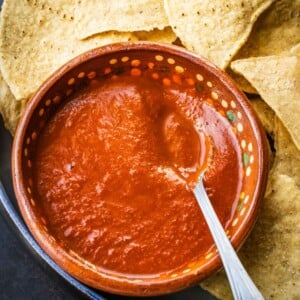
A classic Mexican table sauce, Salsa Roja is simple to make, delicious and versatile. I love using this sauce when making chilaquiles and enchiladas, as a dip, or even as a sauce to spoon over tacos and bowls. This recipe comes together in about 20 minutes!
Late summer and fall fruits and vegetables are perfect for turning into sweet jams and savory chutneys. These preserves concentrate seasonal flavors while offering another way to use up an especially generous harvest before it goes past its prime.
Because of the high sugar content, these recipes will last quite a while in the fridge. Check each recipe for guidance.
No ratings yet
Small Batch Homemade Peach Jam (No Canning)
This small-batch homemade peach jam recipe comes together in no time. It’s delicious, comforting and I have included 3 ways you can jazz it up with spicy, herbaceous, citrusy and earthy flavors. This recipe is not meant for water bath canning. The finished jam MUST be stored in the fridge.
There’s something magical about transforming late-summer tomatoes into a Savory and Sweet Tomato Jam. It’s rich, tangy, slightly spiced, and just the thing to elevate cheese boards, sandwiches, and even your morning toast. And the best part? It comes together in under an hour of hands-on time.
Easy Strawberry Jam Recipe (with Balsamic and Black Pepper)
Jam-making might seem like a fussy old-fashioned skill, but trust me, this Easy Strawberry Jam Recipe (with Balsamic and Black Pepper) is anything but boring. It’s got that sweet, tangy, spicy thing going on that turns a humble piece of toast or a cheese plate into something pretty unforgettable. No canning, no pectin and no fancy equipment needed. This recipe also uses less sugar than most out there.
When summer and fall peaches are at their peak, you’ll find me in the kitchen cooking up anything and everything peach-related, like this Maple Peach Chutney. It comes together in under 30 minutes and it’s a perfect way to use ripe peaches.
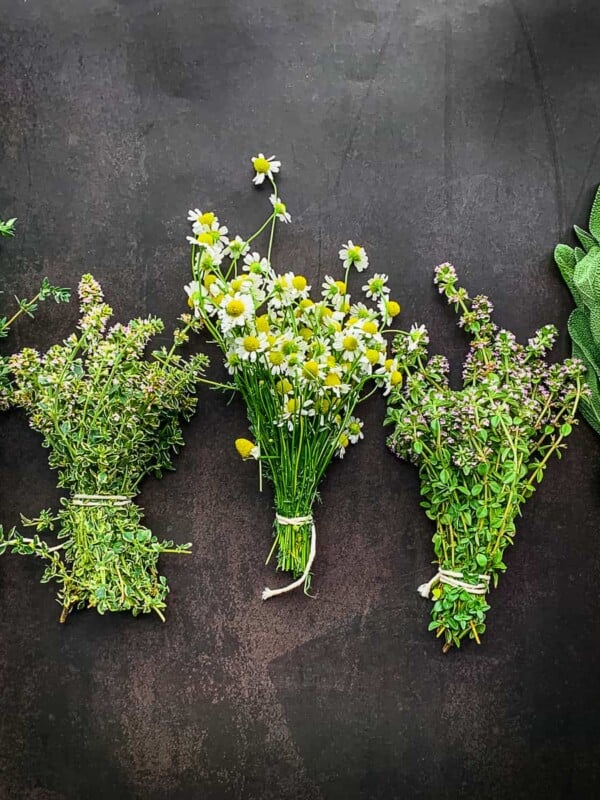
As temperatures begin to drop, preserving garden herbs is an easy way to keep their flavor on hand long after the plants have finished for the season. Many herbs can be harvested and dried before frost, then stored for use throughout fall and winter.