This easy Lemon Ricotta Cake is soft, buttery and full of fresh lemon flavor. Ricotta gives the crumb a lovely tenderness, while a simple lemon icing adds a bright finish. I’d serve this light dessert with afternoon coffee, but it’s just as good for a spring brunch or after a heavy meal.
Looking for more citrus flavor? Try my Pistachio Lemon Bars, Lemon Poppy Seed Muffins and Orange Blossom Sugar Cookies for more citrus-forward desserts.
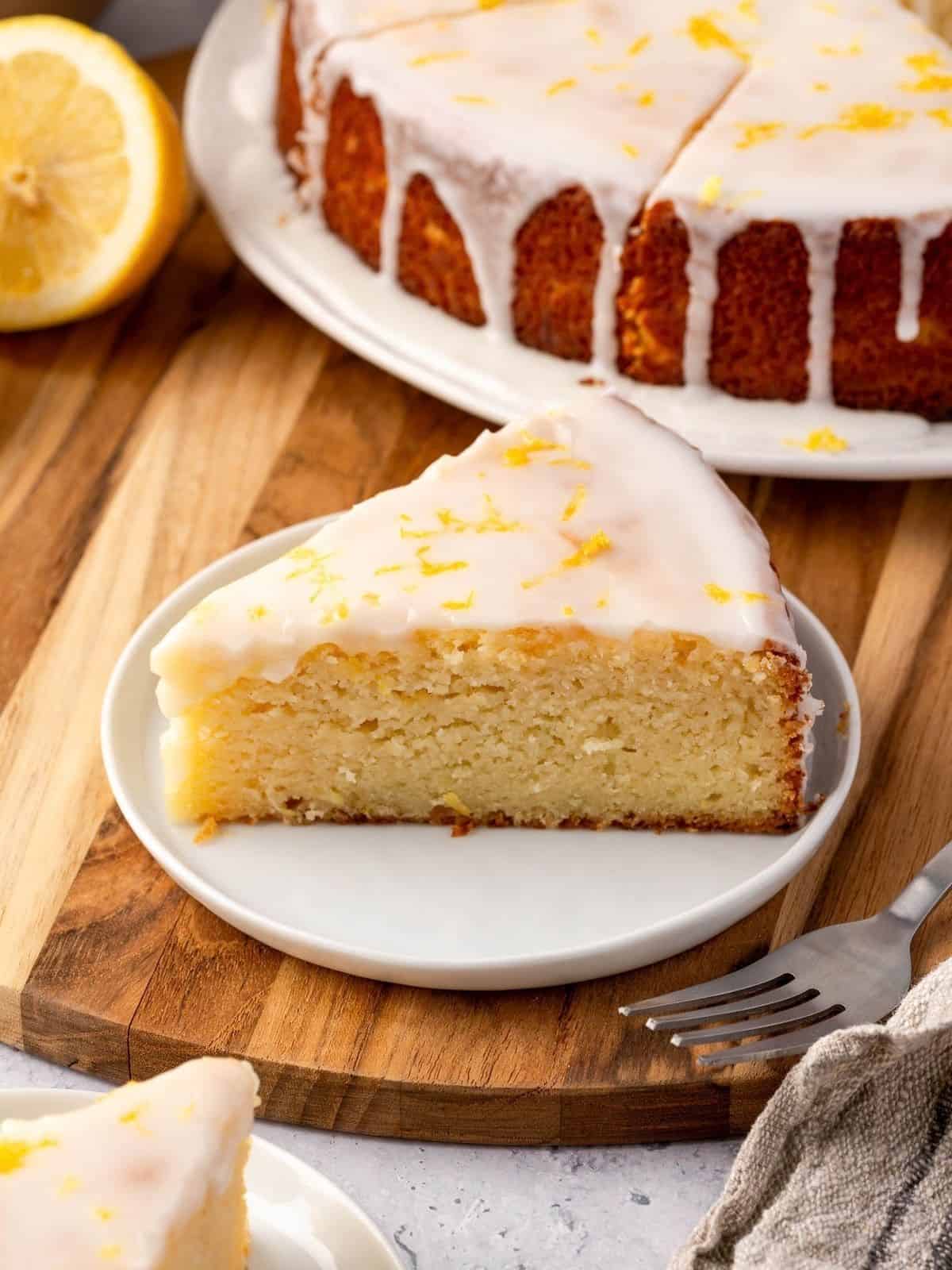
Lemon Ricotta Cake: Recipe at a Glance
Prep Time
30 mins
Cook Time
45 mins
Total Time
1 hr 15 mins
Servings
12 Slices
Calories*
403 kcal
Difficulty
Easy
Main Ingredients
Ricotta, butter, all-purpose flour, lemons, vanilla extract, sugar, powdered sugar, eggs and baking powder.
Technique
Making a cake batter in an electric mixer, baking the cake, and glazing it with a simple icing.
*Calories are estimated
Table of Contents
Why My Recipe Works

- It’s straightforward to make. The batter comes together in a stand mixer, and the icing needs just two ingredients.
- It fits the season. Its fresh lemon flavor feels especially welcome at spring gatherings, though you can make it year-round. A great way to end a dinner party, Mother’s Day brunch or any special occasion.
- Tested and reliable: Groceries are expensive! All my Dessert Recipes are tested by me, my team and/or recipe testers before posting.
Ingredients
A simple recipe that comes together with simple ingredients. Nothing overly fancy needed. Here is what you will need:
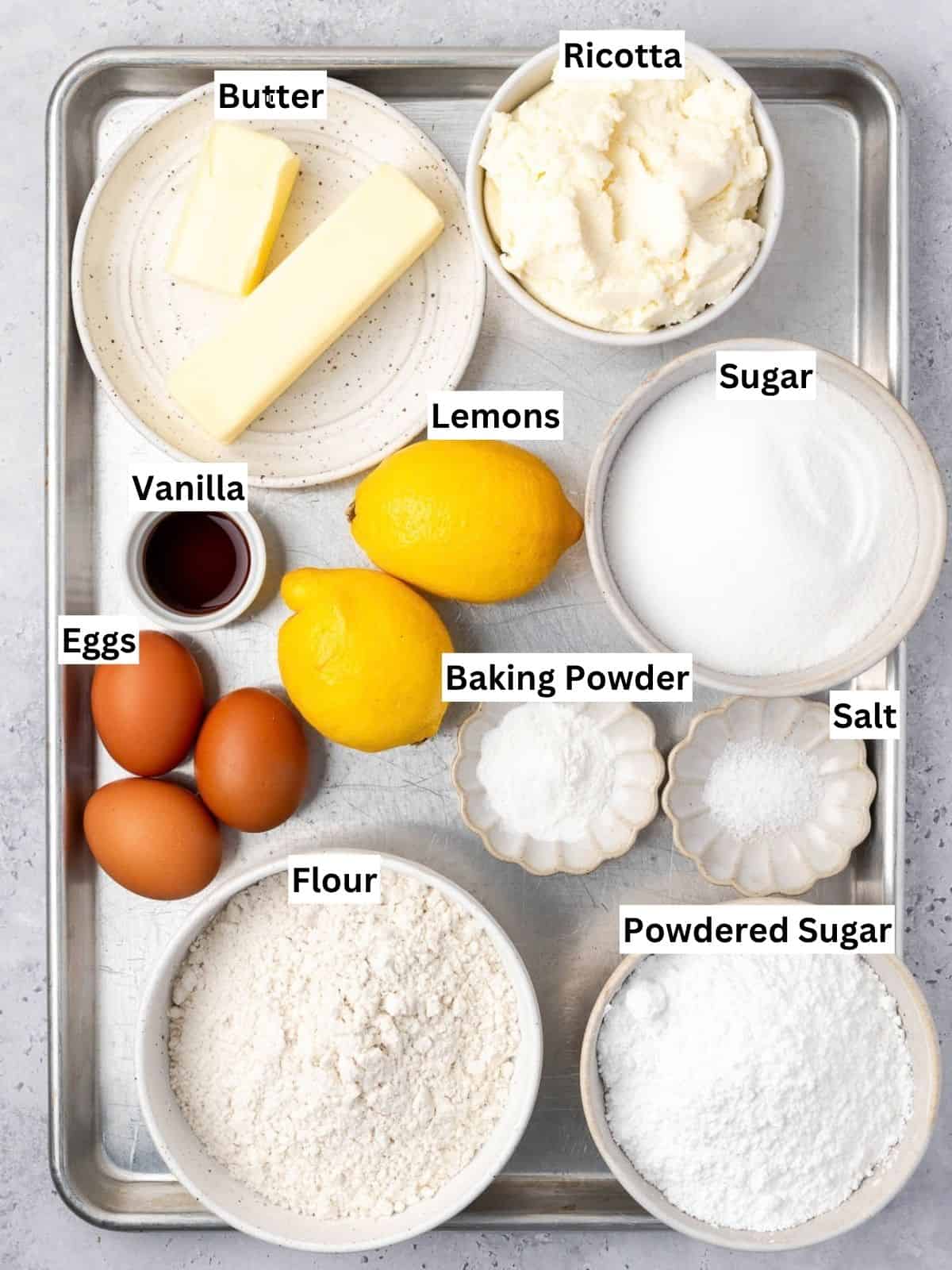
- Ricotta Cheese: Gives the cake its tender texture. Drain off excess liquid before mixing; whole milk ricotta is a good choice.
- Butter: I prefer using unsalted butter in desserts, personally. Let it soften to room temperature so it mixes readily with the ricotta. If you only have salted, that’s fine. Just omit the salt from the dry ingredients.
- Fresh Lemons: Both the zest and juice go into the cake. Try some of my other lemon desserts: Lemon Curd Tart with Pistachios, Limoncello Tiramisu, Lemon Pistachio Pound Cake, Pistachio Lemon Bars and Lemon Poppy Seed Muffins. You can make an orange variation of this cake using orange juice and orange zest.
- Sugar: You will need both granulated sugar and powdered sugar for this recipe. The powdered sugar is for the simple glaze.
Refer to the recipe card at the bottom of this post for a full list of ingredients and quantities.
How to Make This Lemon Ricotta Cake Recipe
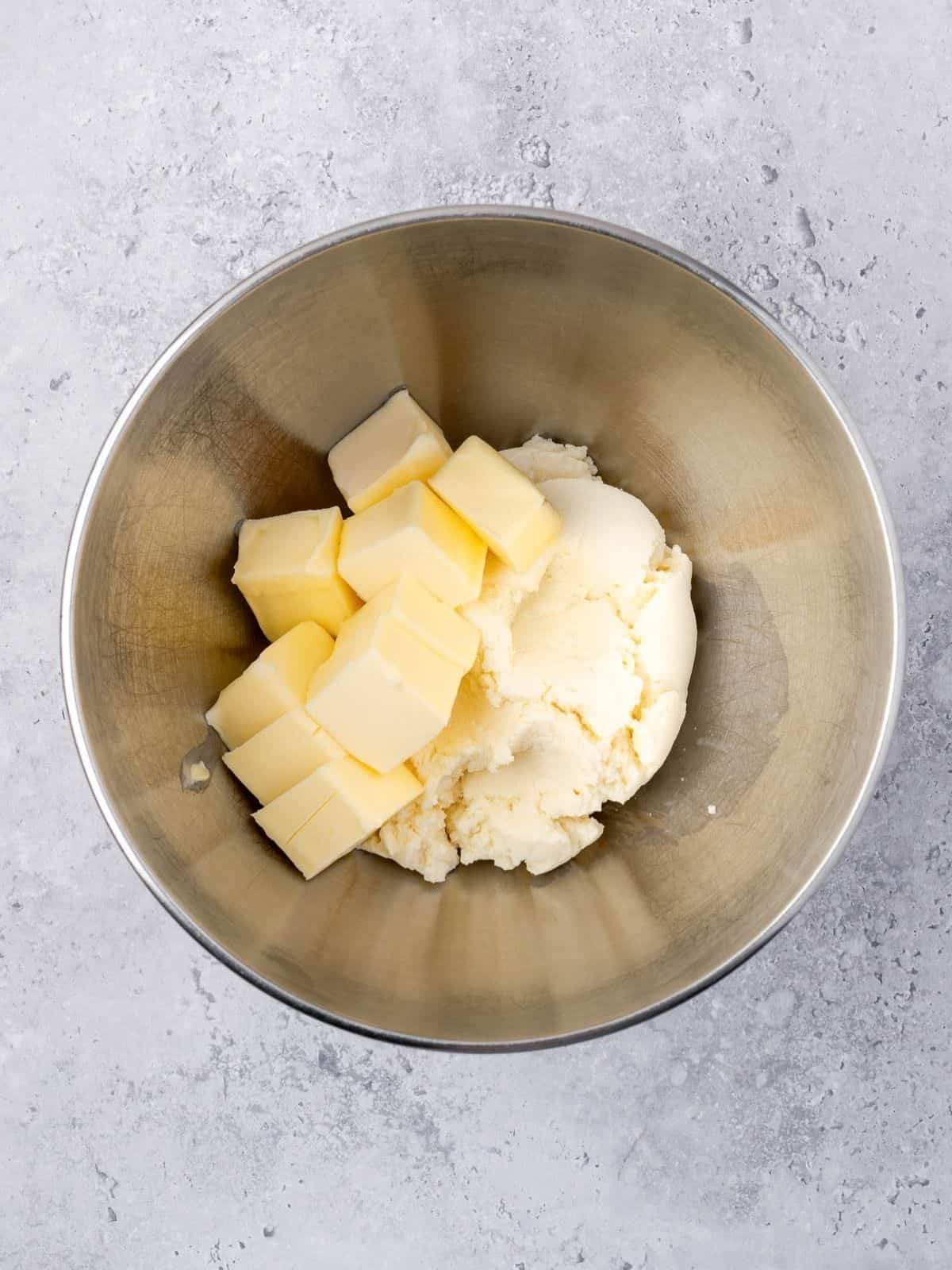
Step 1. Prepare the pan and mix the ricotta and butter. Preheat the oven to 350°F (175°C). Butter a 9-inch springform pan and line its base with a circle of parchment paper. In a stand mixer fitted with the paddle attachment, beat the drained creamy ricotta and room-temperature butter on medium speed until combined. The mixture won’t look completely smooth at this stage.
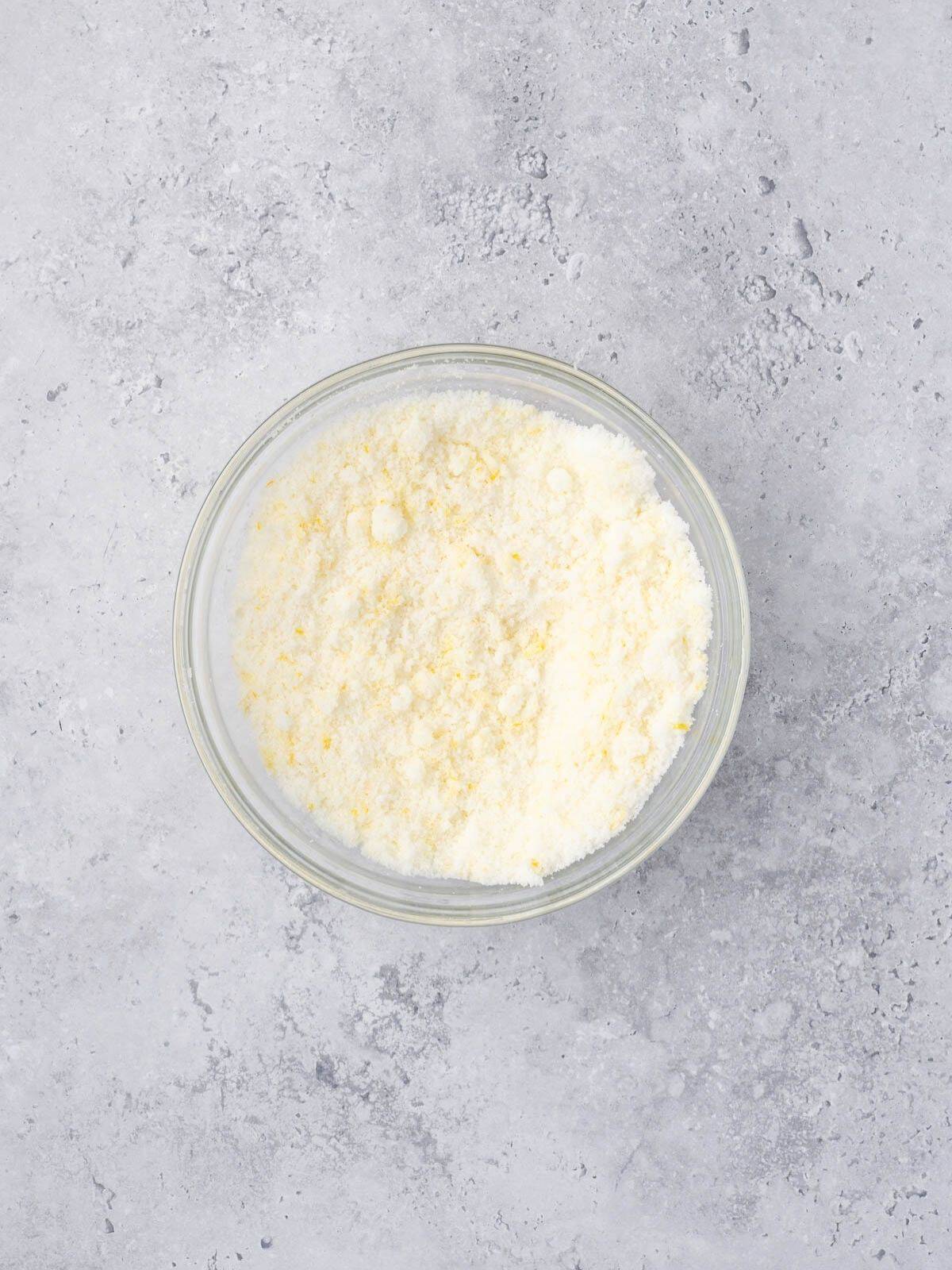
Step 2. Make lemon sugar. In a small bowl, rub the lemon zest into the granulated sugar with your fingers.
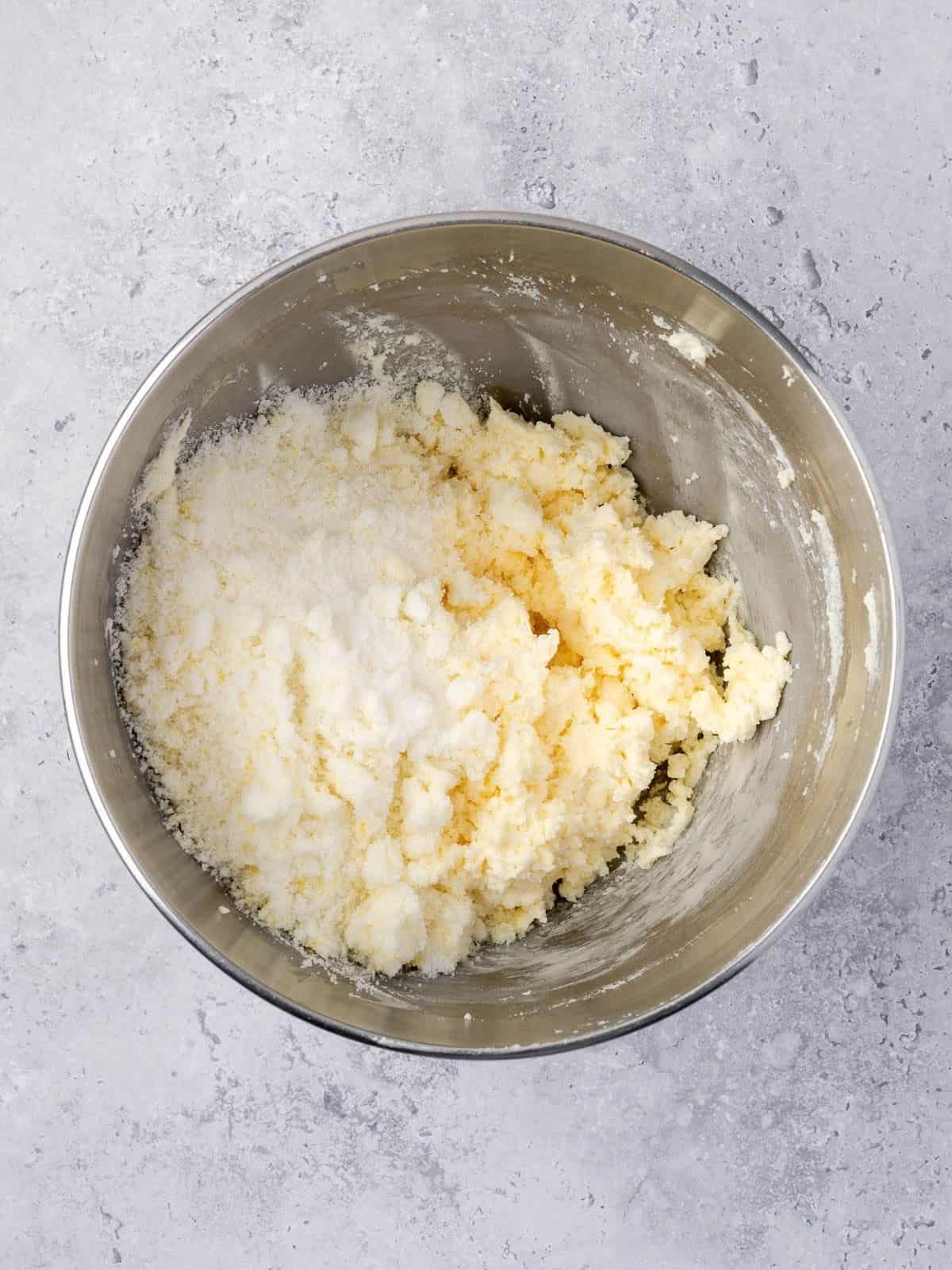
Step 3. Add sugar to the butter-ricotta mixture. Add it to the mixer bowl and beat for 3 minutes, then scrape down the sides. Make sure the sugar is well incorporated.
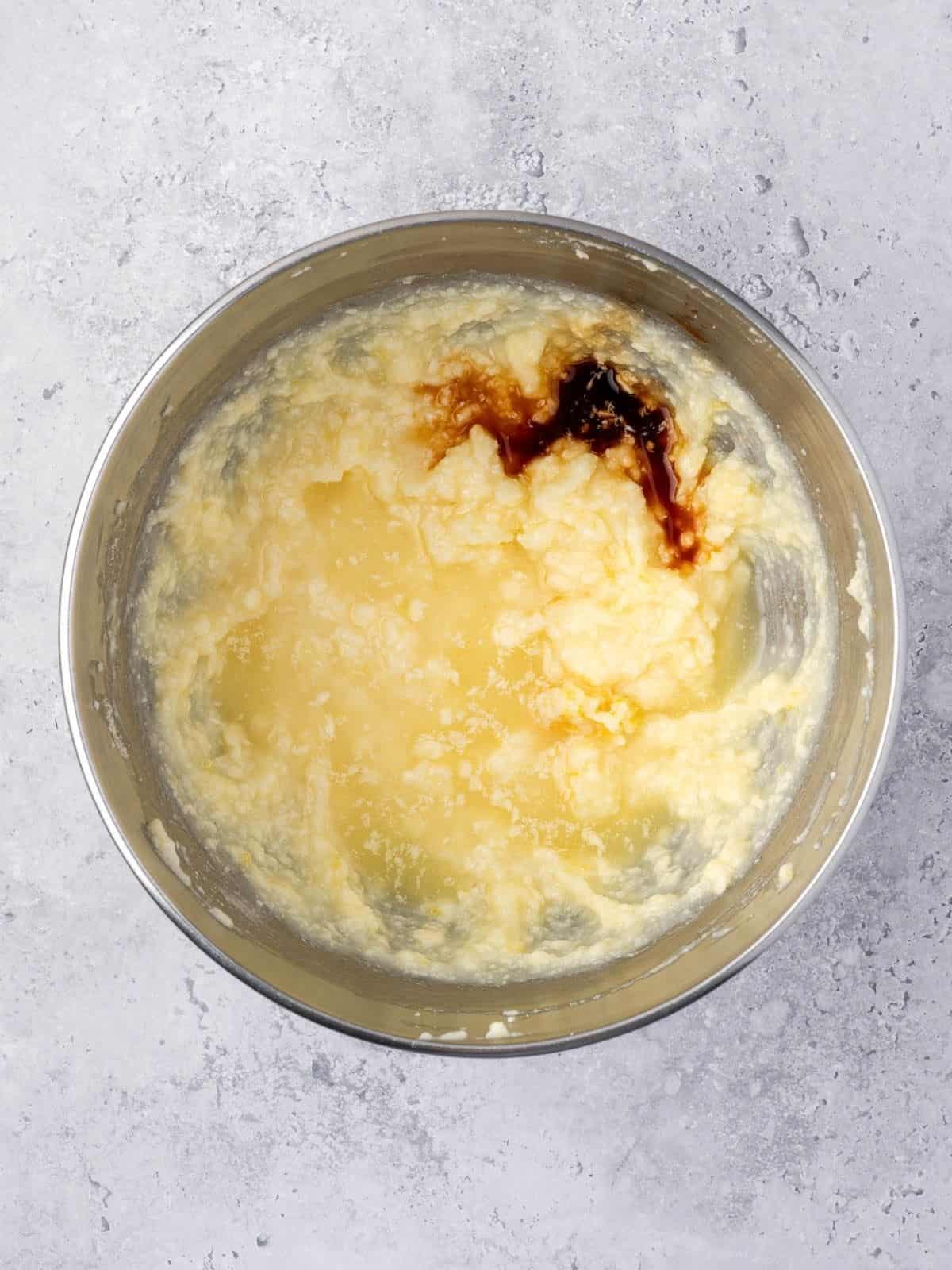
Step 4. Add the flavorings. Mix in the vanilla extract and fresh lemon juice for about 30 seconds.
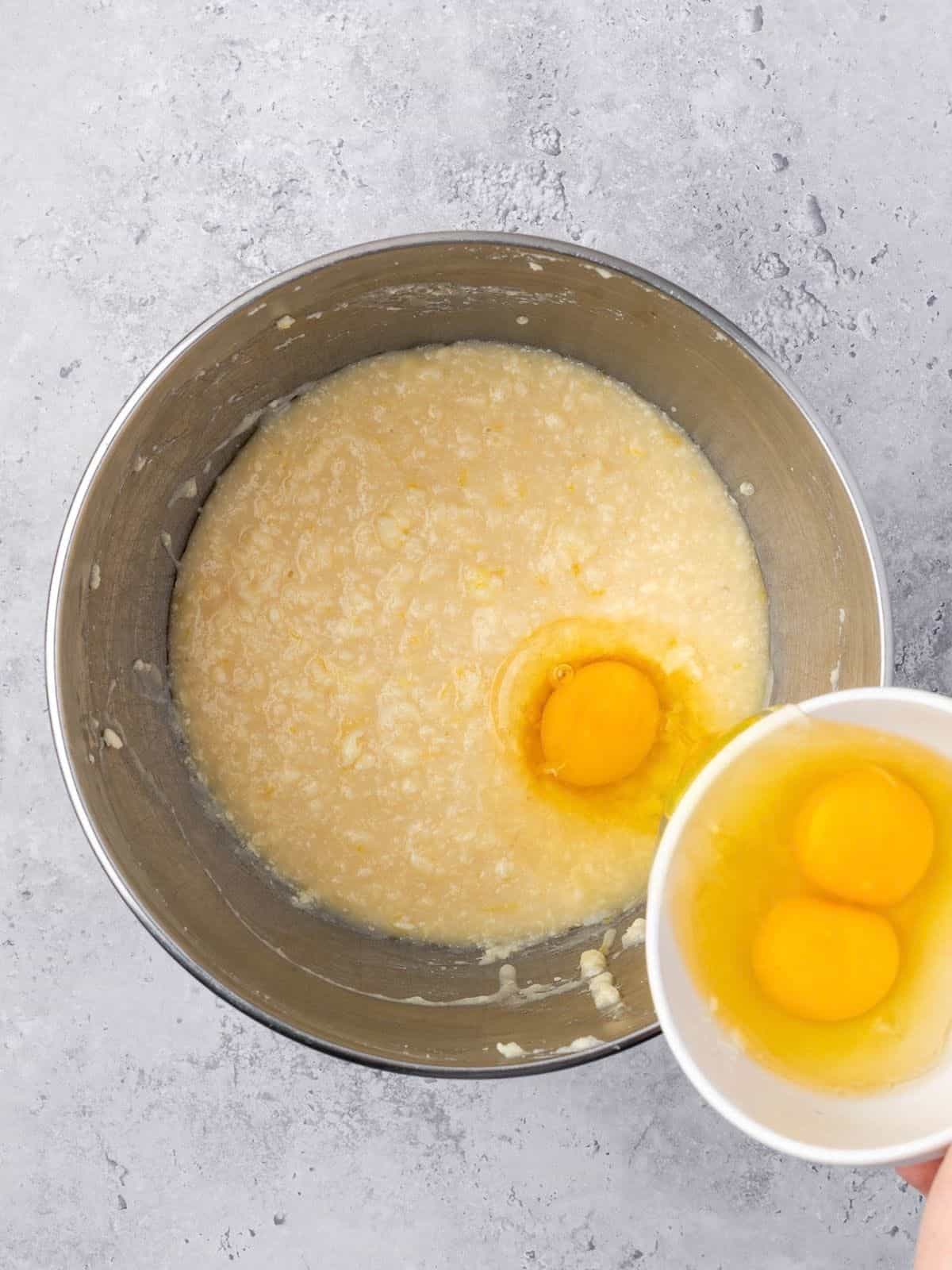
Step 5. Add eggs. Add the eggs one at a time, mixing for about 60 seconds after each addition until they are incorporated. You will still see small pieces of ricotta cheese in the batter, and that’s completely fine and expected.
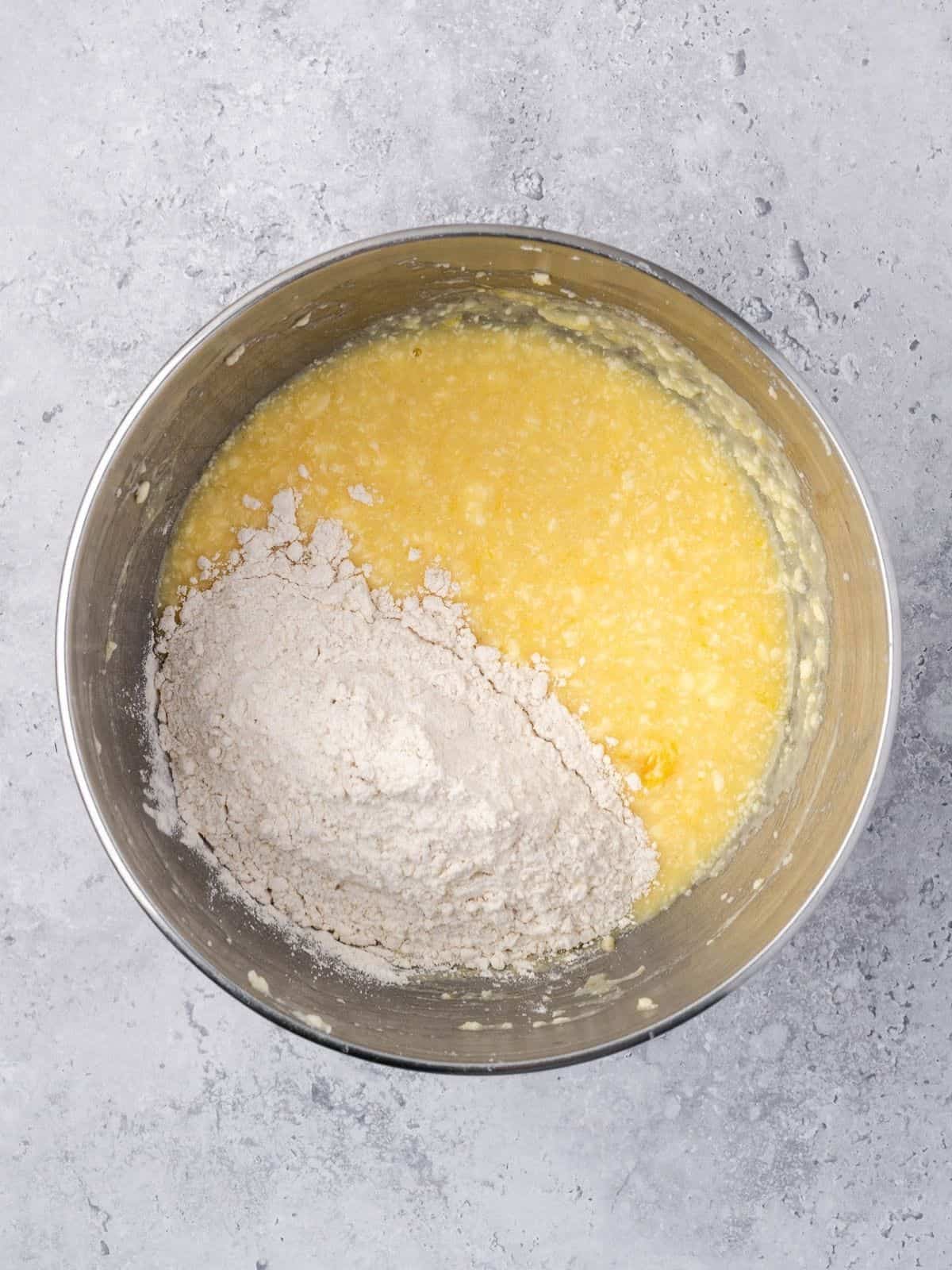
Step 6. Add the dry ingredients. Whisk the all-purpose flour, baking powder and salt together in a separate bowl. With the mixer on low, add them gradually and mix just until combined. Scrape the sides and bottom of the bowl with a spatula to catch any unmixed batter.
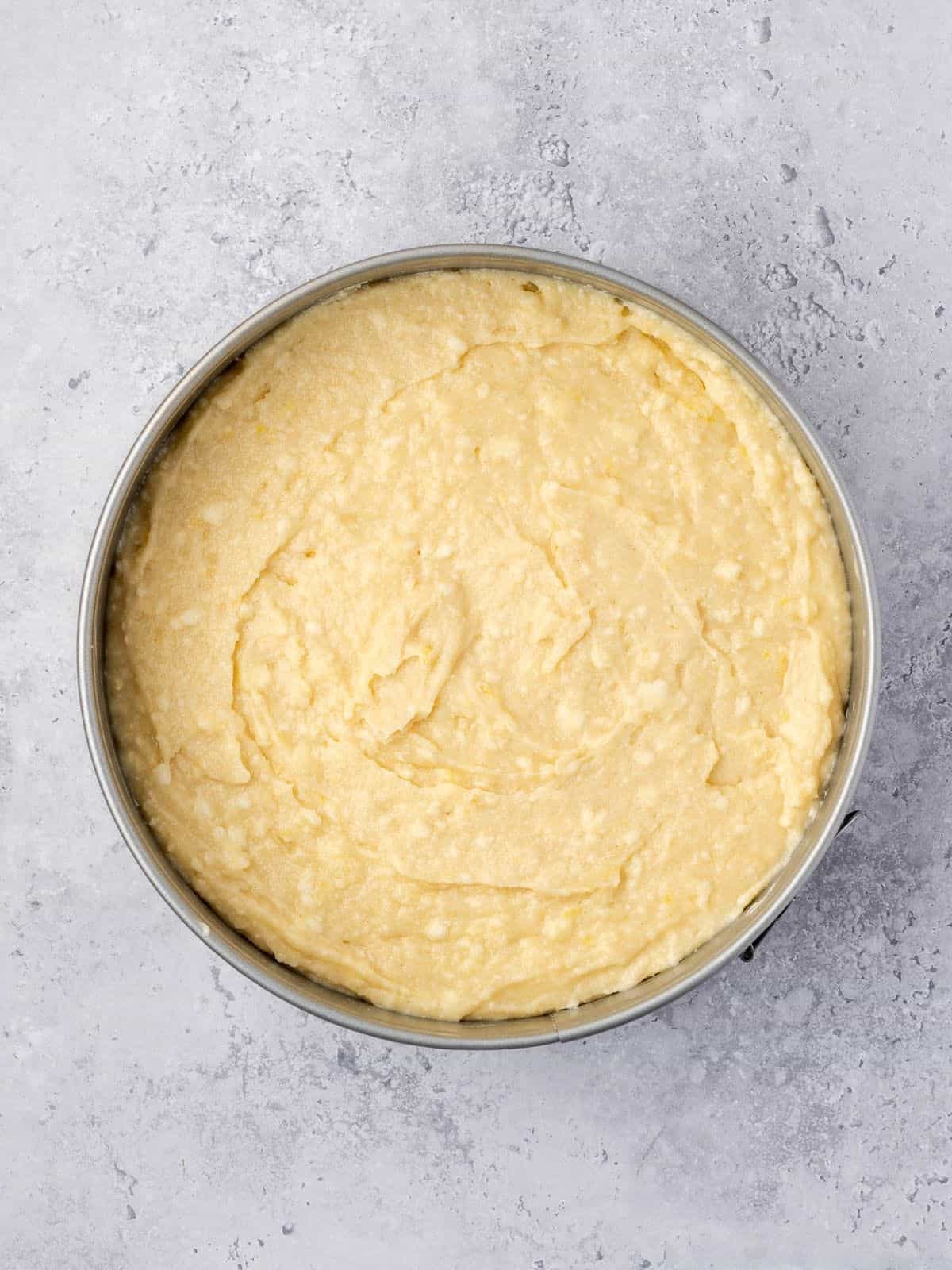
Step 7. Bake. Transfer the cake batter to the prepared pan and smooth the top. Bake for 45–48 minutes, until the top springs back when gently pressed and a tester inserted near the center comes out without wet batter. Let the cake cool in the pan for 15 minutes, then remove it and transfer it to a wire rack to cool completely.
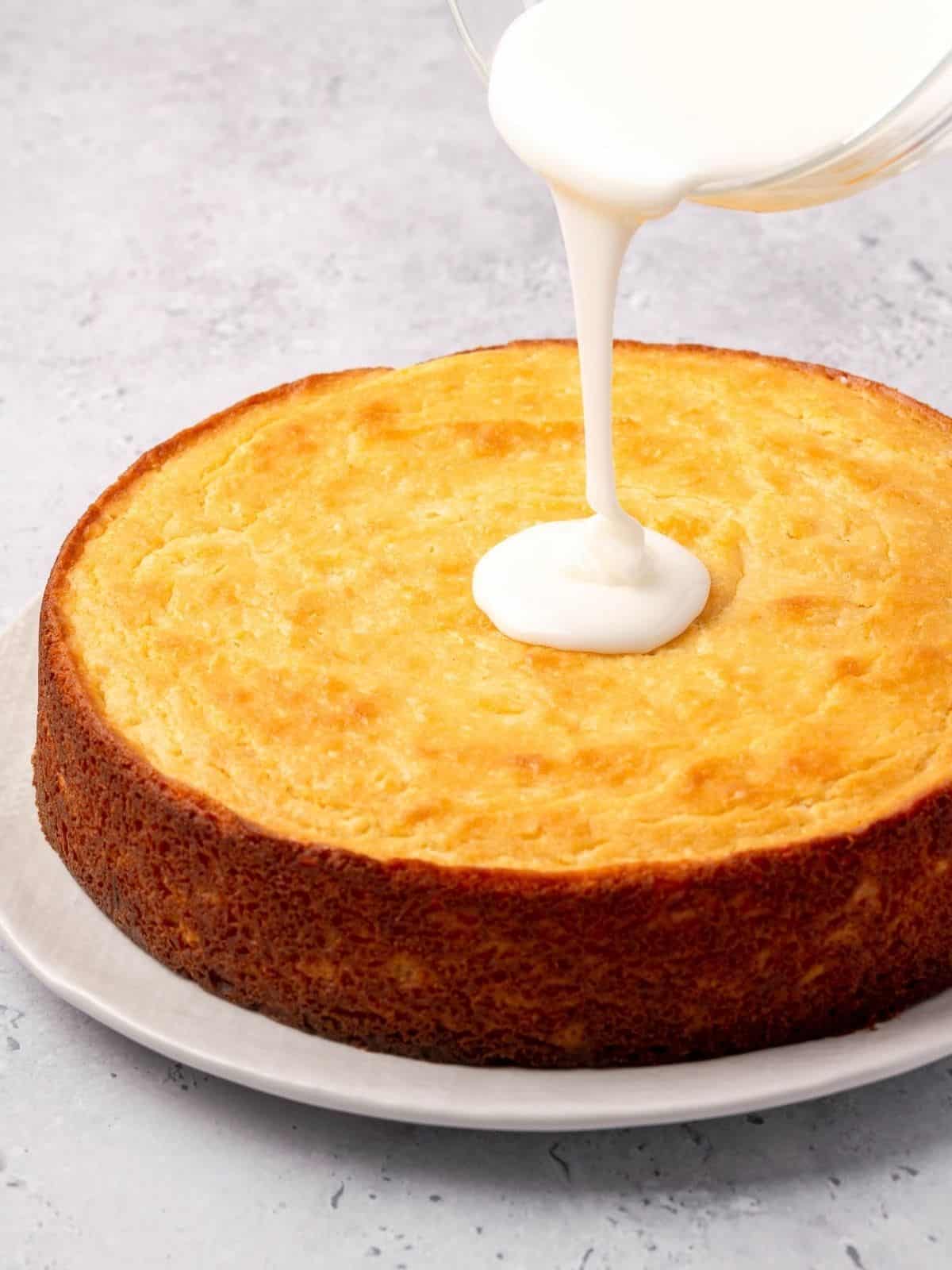
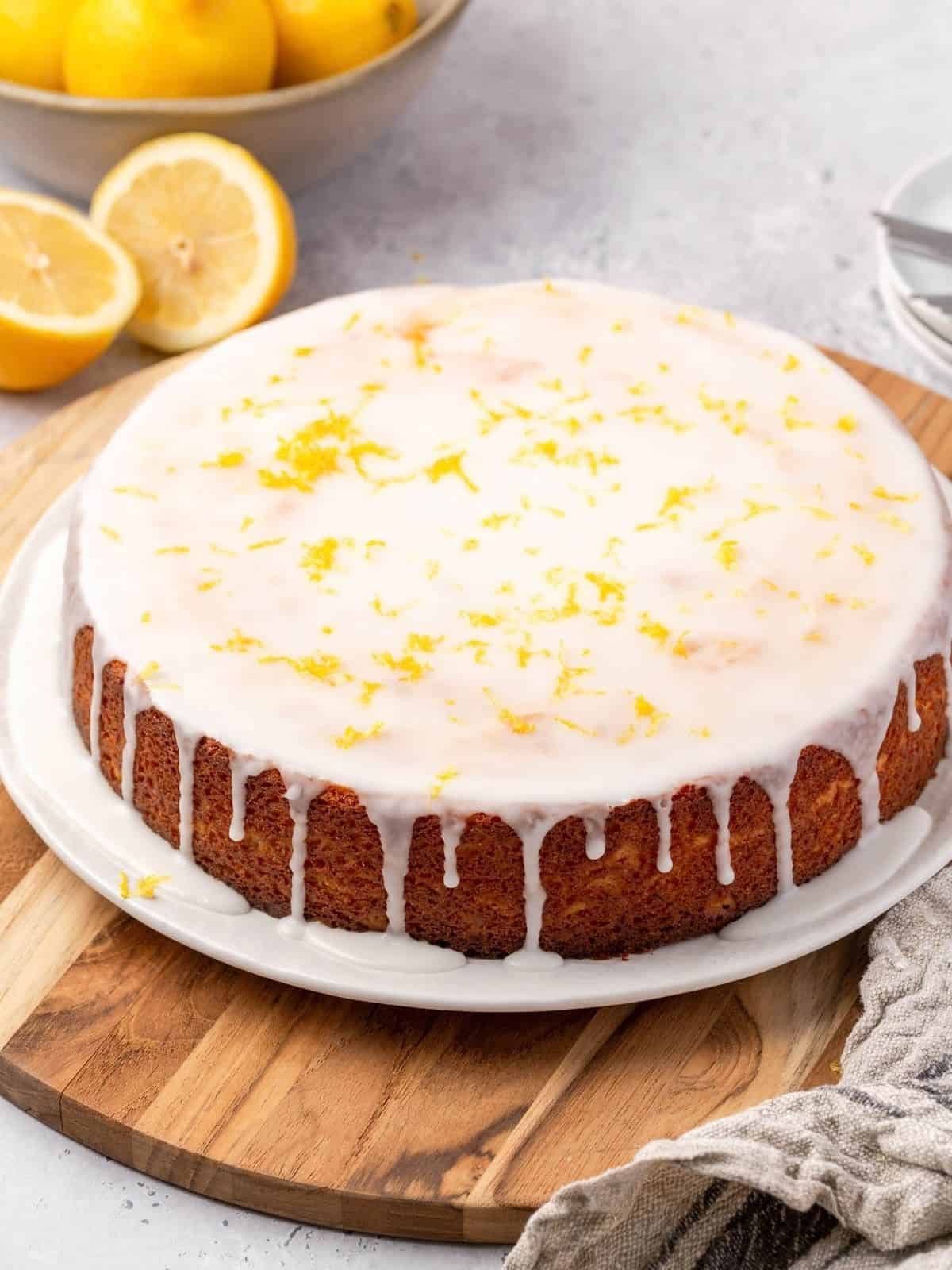
Step 8. Ice the cake. Stir the sifted powdered sugar and lemon juice together until smooth. Drizzle the lemon glaze over the cooled cake and let it set for at least 15 minutes before slicing.
Expert Tips
- Drain the ricotta if it’s watery. Different ricotta brands will have varying levels of moisture. I prefer a drier ricotta in this recipe. Excess liquid can make the batter too loose. If the ricotta you purchased is very loose and wet, drain it in a fine-mesh sieve; there’s no need to press out every bit of moisture.
- Zest before you juice. It’s much easier to zest a whole lemon. Rub the zest into the sugar before it goes into the mixer so its oils get distributed through the cake.
- No stand mixer? No problem. Use a large mixing bowl and an electric hand mixer.
- Stop mixing once the flour is incorporated. Give the bowl a final scrape with a spatula, but avoid beating the finished batter longer than necessary. Working the flour too much will develop gluten and could change the texture of the finished cake.
- Check the centre before taking the cake out. The springy top is a useful cue, but a tester gives you a better look at whether the middle has finished baking.
- Cool the cake completely before icing. A warm cake will melt the icing instead of letting it set on top.
- Serve it with: fresh berries, fresh figs, sliced peaches or nectarines.
Troubleshooting Tips
- The butter and ricotta mixture looks curdled. That’s normal at the start of this recipe. It won’t become perfectly smooth when you first beat them together. Keep following the method, scraping down the bowl as you go.
- The top is browning before the centre is done. Loosely tent the pan with foil and continue baking until the centre tests done. Oven temperatures vary, so use the 45–48 minute baking time as a guide.
- The cake sank in the middle. A slight dip can happen with a moist ricotta cake. A deep sink usually means the centre needed more time in the oven. Check it with a tester before removing it; there should be no wet batter clinging to it. Avoid opening the oven early in the bake, too.
- The cake is dense or gummy. Very wet ricotta can add more moisture than the batter needs, so drain off any obvious excess liquid. Once the flour goes in, mix only until it disappears, then scrape the bowl with a spatula to make sure everything is incorporated.
- The icing is too thin or thick. Add a little more sifted powdered sugar to thicken it, or a few drops of lemon juice to loosen it. Wait until the cake is completely cool before drizzling so the icing stays on top.
Lemon Ricotta Cake Recipe FAQs
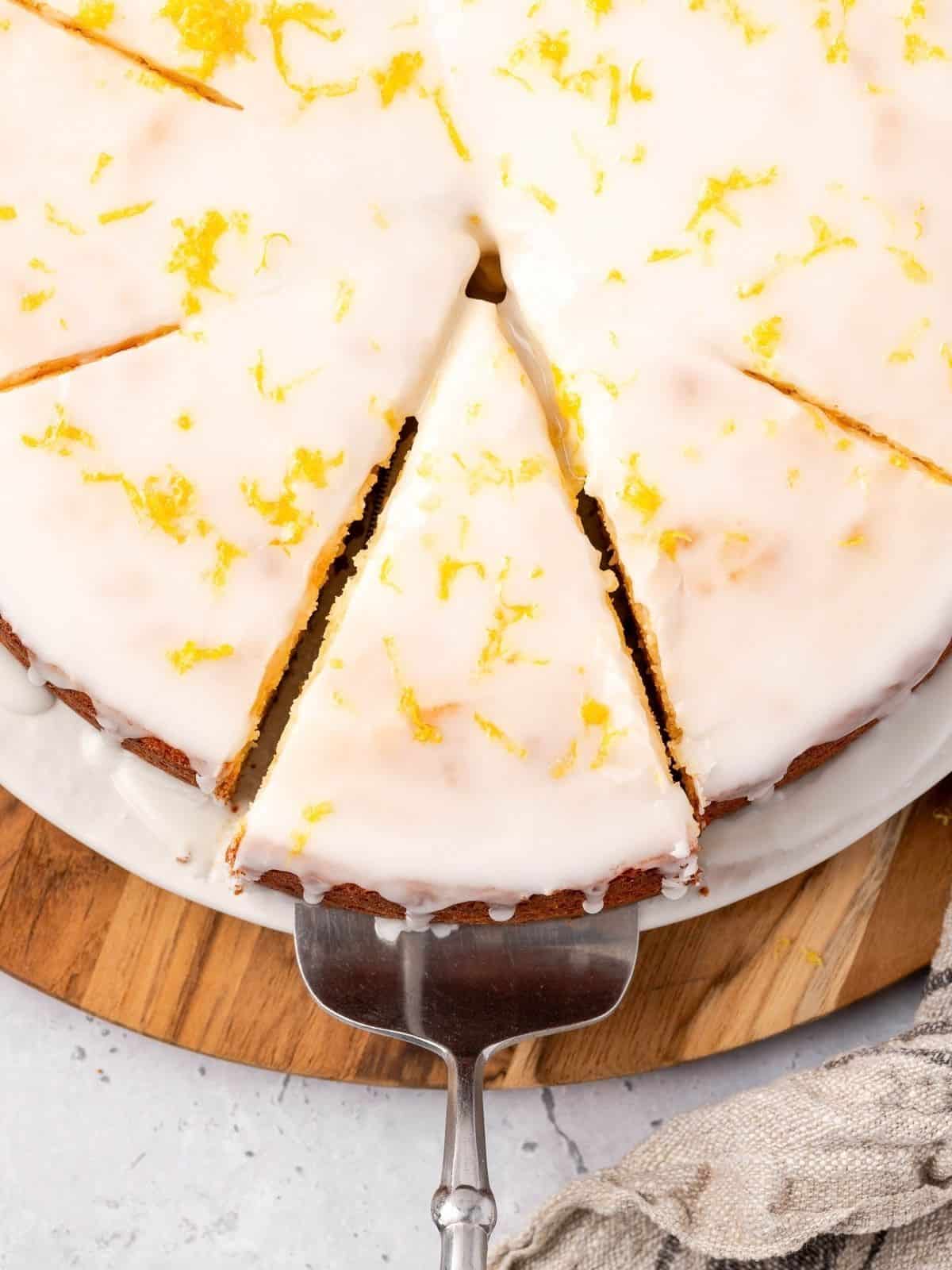
Yes. Bake the cake a day ahead, let it cool completely and cover it well. Add the icing before serving for the neatest finish.
Keep the cake covered in the refrigerator for up to 4 days. Let a slice come closer to room temperature before serving if you prefer a softer texture.
Yes. Freeze the fully cooled cake, or individual slices, tightly wrapped for up to 2 months. It’s easiest to freeze the cake before icing it. Thaw in the refrigerator, then bring to room temperature and add the icing.
It makes this tender cake easier to release. If you use a regular 9-inch round cake pan, line the bottom and sides with parchment and take extra care when removing the cake.
Other Dessert Recipes
If you make this Lemon Ricotta Cake or any other Dessert Recipe on Urban Farm and Kitchen, please take a moment to rate the recipe ⭐⭐⭐⭐⭐ and leave a comment below. It’s such a help to others who want to try the recipe.
For more Urban Farm and Kitchen, follow along on Instagram, Facebook, and Pinterest, visit the Urban Farm Shop, or subscribe for new posts via email.
Lemon Ricotta Cake (with Icing)
Equipment
- Springform pan
- Stand Mixer
Ingredients
For the Cake
- 15 ounces Ricotta cheese (drained) – 425 grams
- ¾ cup Unsalted butter (room temperature) – 170 grams
- 1½ cups Sugar – 300 grams
- 1 teaspoon Vanilla extract
- 1 tablespoon Lemon zest – From 1 Lemon
- 2 tablespoon Lemon juice – From 1 Lemon
- 3 Large eggs (room temperature)
- 1¾ cups All-purpose flour – 219 grams
- 2 teaspoon Baking powder
- ½ teaspoon Kosher salt
For the Icing
- 1½ cups Powdered Sugar sifted – 180 grams
- 2½ tablespoon Lemon Juice – 37 grams
Instructions
- Prepare the pan and mix the ricotta and butter. Preheat the oven to 350°F (175°C). Butter a 9-inch springform pan and line its base with a circle of parchment paper. In a stand mixer fitted with the paddle attachment, beat the drained creamy ricotta and room-temperature butter on medium speed until combined. The mixture won’t look completely smooth at this stage.
- Make lemon sugar. In a small bowl, rub the lemon zest into the granulated sugar with your fingers.
- Add sugar to the butter-ricotta mixture. Add it to the mixer bowl and beat for 3 minutes, then scrape down the sides. Make sure the sugar is well incorporated.
- Add the flavorings. Mix in the vanilla extract and fresh lemon juice for about 30 seconds.
- Add eggs. Add the eggs one at a time, mixing for about 60 seconds after each addition until they are incorporated. You will still see small pieces of ricotta cheese in the batter, and that’s completely fine and expected.
- Add the dry ingredients. Whisk the all-purpose flour, baking powder and salt together in a separate bowl. With the mixer on low, add them gradually and mix just until combined. Scrape the sides and bottom of the bowl with a spatula to catch any unmixed batter.
- Bake. Transfer the cake batter to the prepared pan and smooth the top. Bake for 45–48 minutes, until the top springs back when gently pressed and a tester inserted near the center comes out without wet batter. Let the cake cool in the pan for 15 minutes, then remove it and transfer it to a wire rack to cool completely.
- Ice the cake. Stir the sifted powdered sugar and lemon juice together until smooth. Drizzle the lemon glaze over the cooled cake and let it set for at least 15 minutes before slicing.
Notes
- Ricotta Cheese: Gives the cake its tender texture. Drain off excess liquid before mixing; whole milk ricotta is a good choice.
- Butter: I prefer using unsalted butter in desserts, personally. Let it soften to room temperature so it mixes readily with the ricotta. If you only have salted, that’s fine. Just omit the salt from the dry ingredients.
- Drain the ricotta if it’s watery. Different ricotta brands will have varying levels of moisture. I prefer a drier ricotta in this recipe. Excess liquid can make the batter too loose. If the ricotta you purchased is very loose and wet, drain it in a fine-mesh sieve; there’s no need to press out every bit of moisture.
- Zest before you juice. It’s much easier to zest a whole lemon. Rub the zest into the sugar before it goes into the mixer so its oils get distributed through the cake.
- No stand mixer? No problem. Use a large mixing bowl and an electric hand mixer.
- Stop mixing once the flour is incorporated. Give the bowl a final scrape with a spatula, but avoid beating the finished batter longer than necessary. Working the flour too much will develop gluten and could change the texture of the finished cake.
- Check the centre before taking the cake out. The springy top is a useful cue, but a tester gives you a better look at whether the middle has finished baking.
Nutrition
Nutrition information is automatically calculated, so should only be used as an approximation.
 Like this recipe? Rate & comment below!