
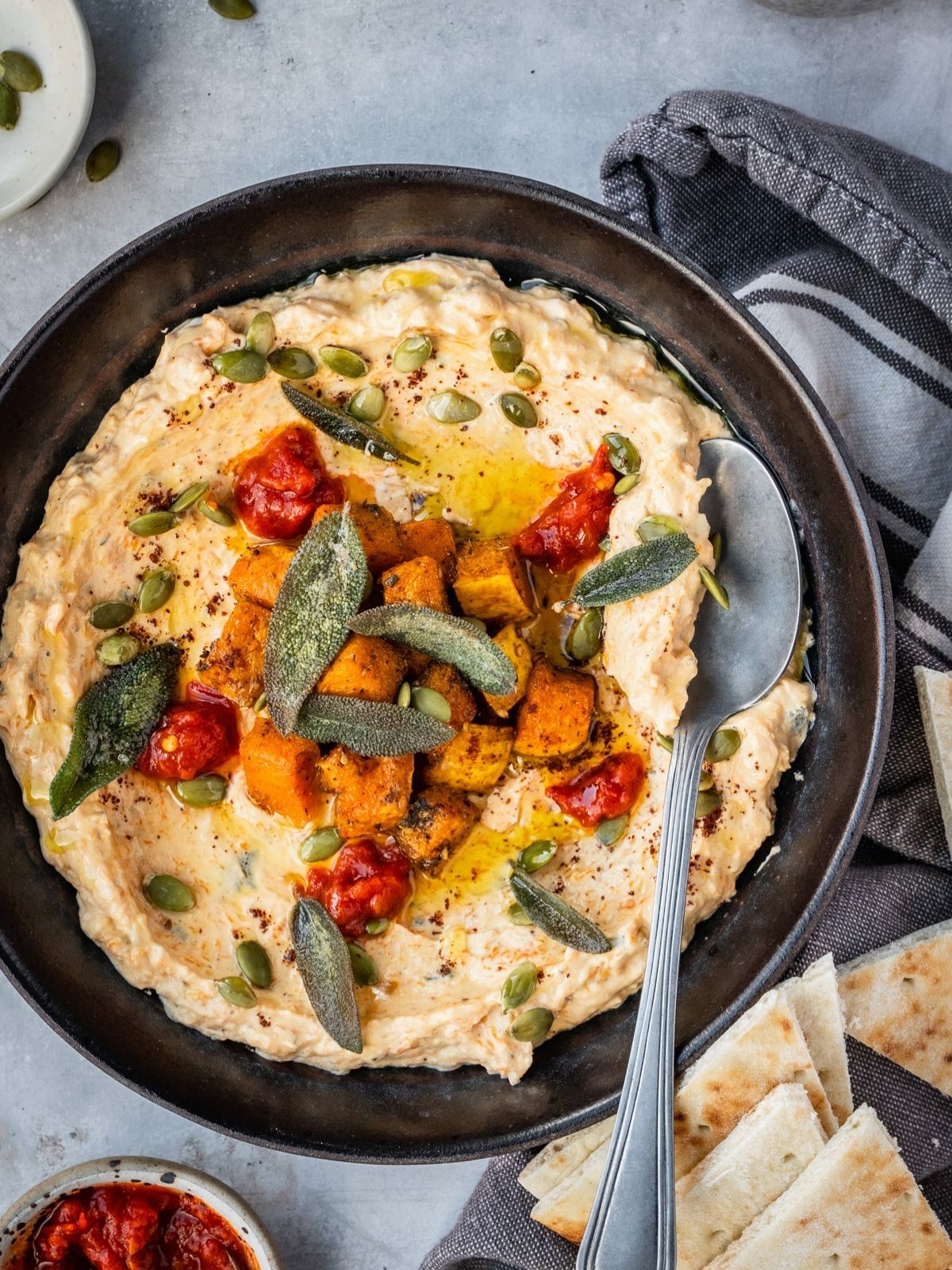
This Butternut Mafghoussa is my take on a classic Palestinian dish, swapping summer squash, mint, and pine nuts for winter squash, sage, and pumpkin seeds. Created in collaboration with Chef Fadi Kattan for his Toronto restaurant, Louf, it speaks to how Palestinians around the world adapt traditional techniques with local ingredients, while keeping our cuisine alive and connected.
Serve on its own with Taboon Flat Bread or Pita Bread, or as part of a mezze spread with other classic dips like Mutabal (roasted eggplant dip).
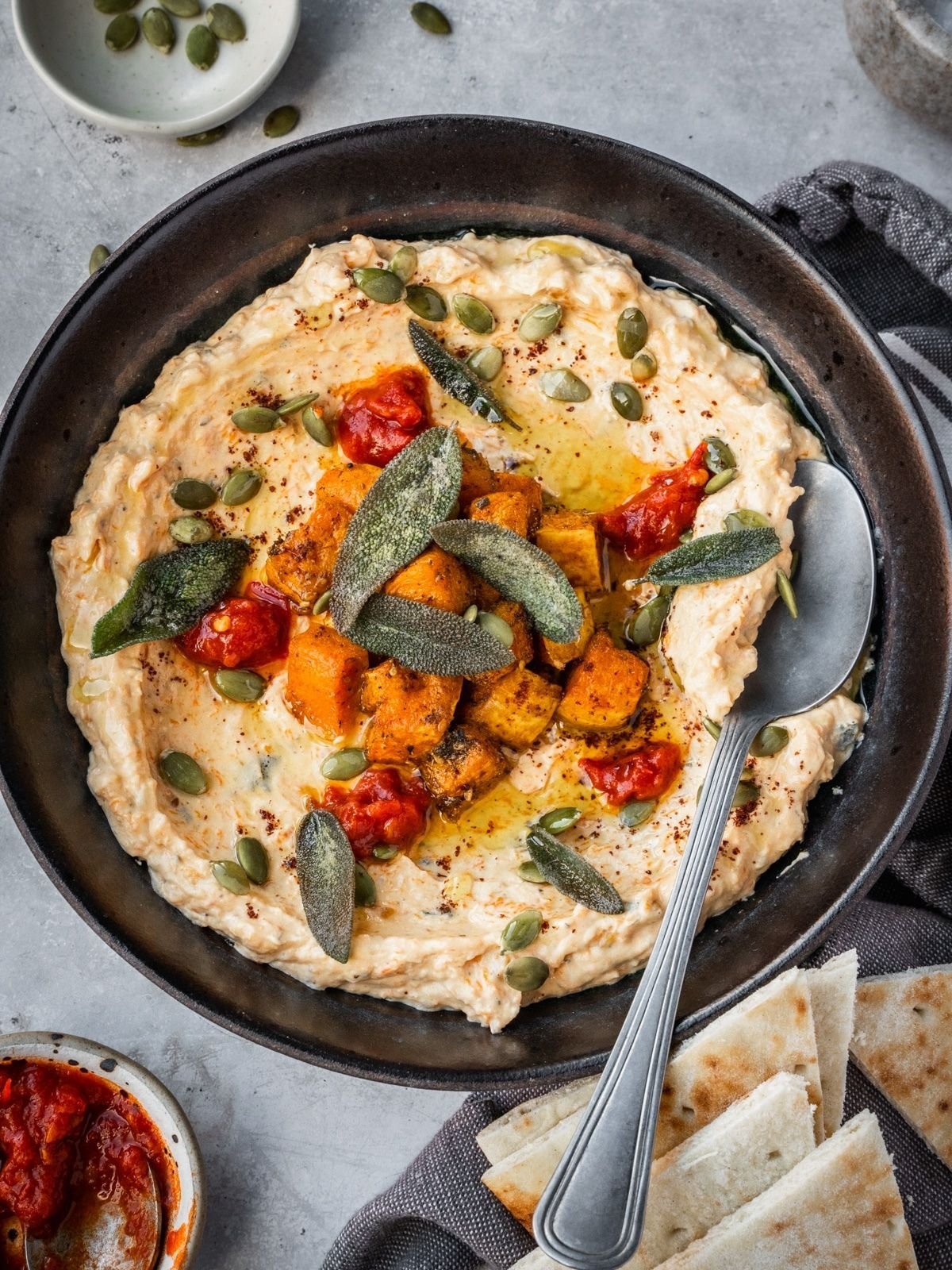
Table of Contents
What is Mafghoussa?

Mafghoussa is a Palestinian dish traditionally made by mashing together seasonal vegetables with yogurt, labneh, or tahini. The word “mafghoussa” in Arabic means “mashed” or “squashed.” Its roots are humble, often linked to home cooking and seasonal bounty.
Versions of mafghoussa vary across the region, with some including eggplant, zucchini, or even pumpkin depending on what’s available. This modern take with roasted butternut squash and sage leans into autumn flavors and local Ontario Produce while still honoring the dish’s traditional roots.
As a Palestinian in the diaspora, I’m always cooking between two places: the flavours I grew up with and the ingredients that define my life in Canada. This version of Mafghoussa reflects that in-between space.
The spirit of the dish remains, but the landscape shifts. An evolution that feels true to how many of us cook when home is both here and elsewhere.
A Collaboration with Chef Fadi Kattan
This recipe was developed in collaboration with Chef Fadi Kattan, the Bethlehem-born chef known for championing modern Palestinian cuisine through his restaurants Akub (London) and Kassa Hotel Bethlehem. His work celebrates Palestinian terroir and storytelling, making this collaboration a natural fit.
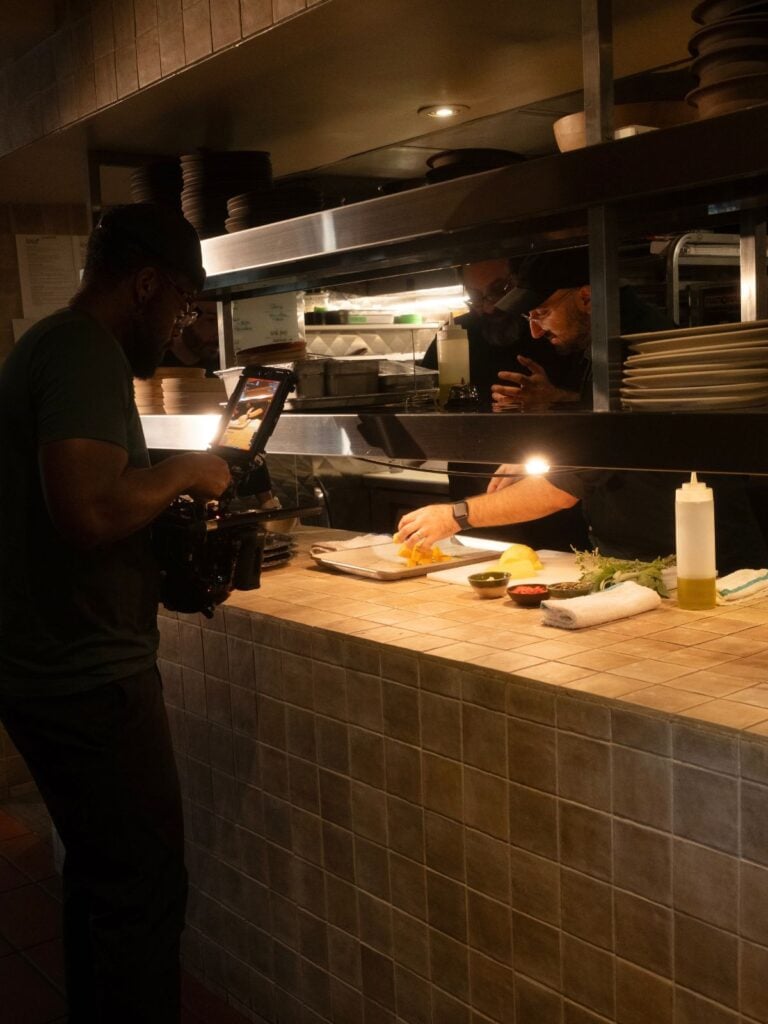
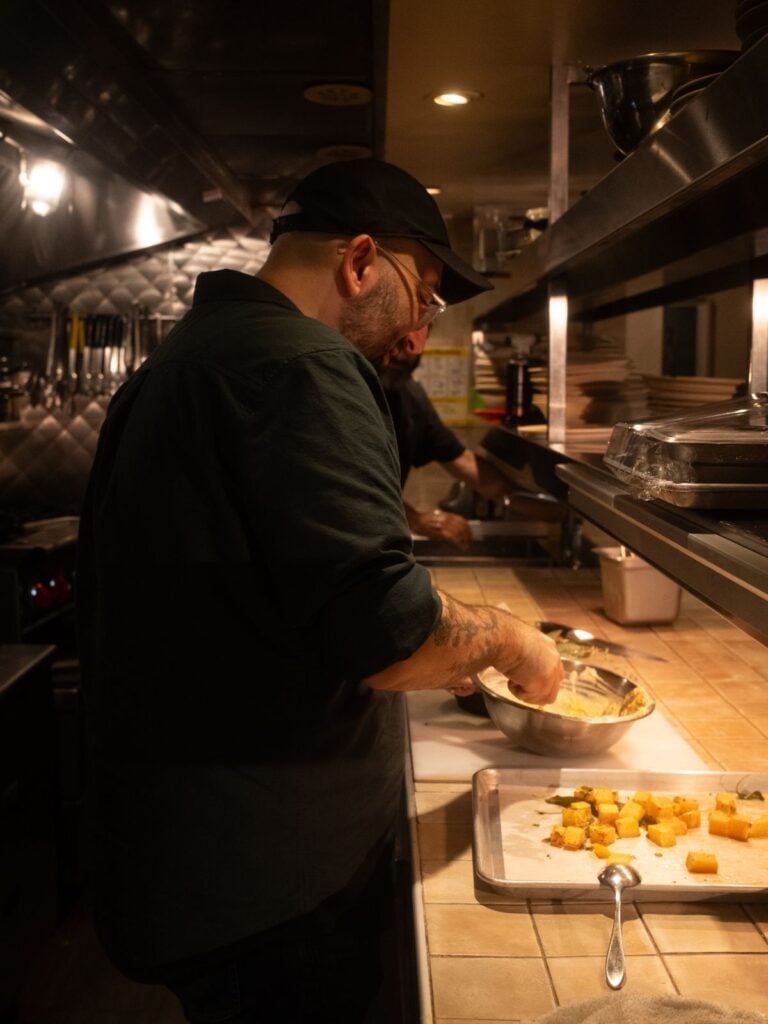
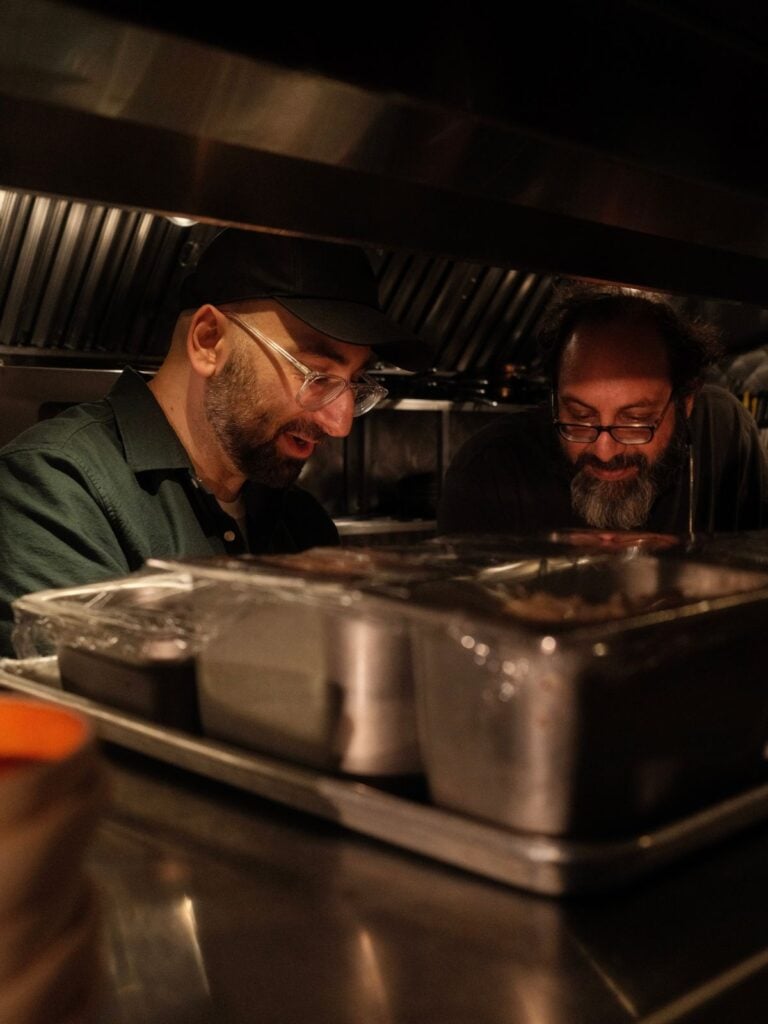
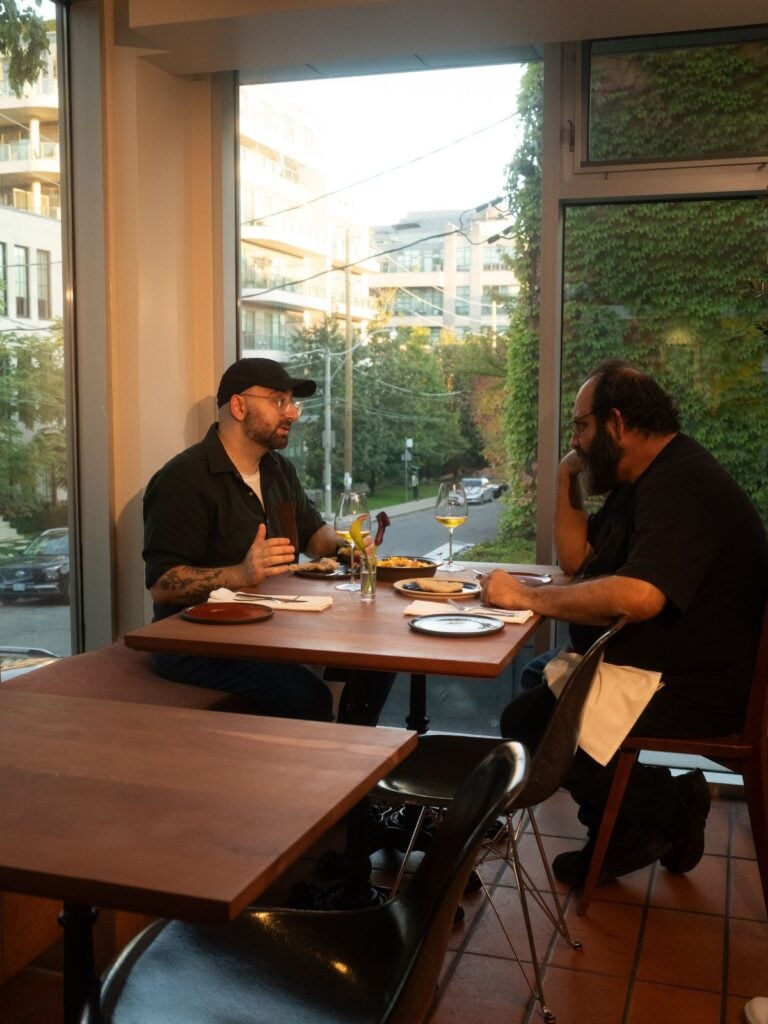
*Photos above provided courtesy of Royce Visuals, Toronto, Canada.
You’ll be able to enjoy this Butternut Mafghoussa at Louf in Toronto throughout December 2025. Even better, proceeds from the dish will support Glia.
Glia is a medical humanitarian organization that produces open-source, affordable medical devices for communities affected by conflict and limited access to care. Their work ensures essential tools—like tourniquets and stethoscopes—reach the people who need them most.
And if you can’t make it to Louf, well I have you covered with the recipe right here.
Ingredients
This is not a complicated recipe, and it comes together pretty quickly. Here are some of the key ingredients:
- Labneh: Thick, tangy strained yogurt cheese that forms the creamy base for this dip. If you can’t find ready-made labneh, you can make your own labneh by straining yogurt overnight.
- Butternut Squash: Fall and winter are the perfect time to prepare this recipe, when local Winter Squash are overflowing in the markets. Honeynut Squash is a good alternative.
- Za’atar: This quintessential Palestinian Spice Blend adds herby brightness and depth. It used to be difficult to find za’atar at the grocery store, but it’s much easier now. You can also make your own za’atar spice mix and use it in other recipes like my Zaatar manakish, Za’atar garlic knots, bread dipping oil and my Heirloom tomato galette.
- Fresh Sage: used for both roasting and garnishing. Crispy sage leaves add a beautiful touch and texture. They are also super gorgeous.
- Sumac: A sprinkle of this tart, lemony spice brightens everything. You can substitute with a squeeze of lemon juice.
- Shatta: Optional but highly recommended! This spicy chili paste adds heat and depth. You can buy it ready-made or use my Shatta Recipe and make your own!
Refer to the recipe card at the bottom of this post for a full list of ingredients and quantities.
How to Make this Butternut Squash Mafghoussa Recipe
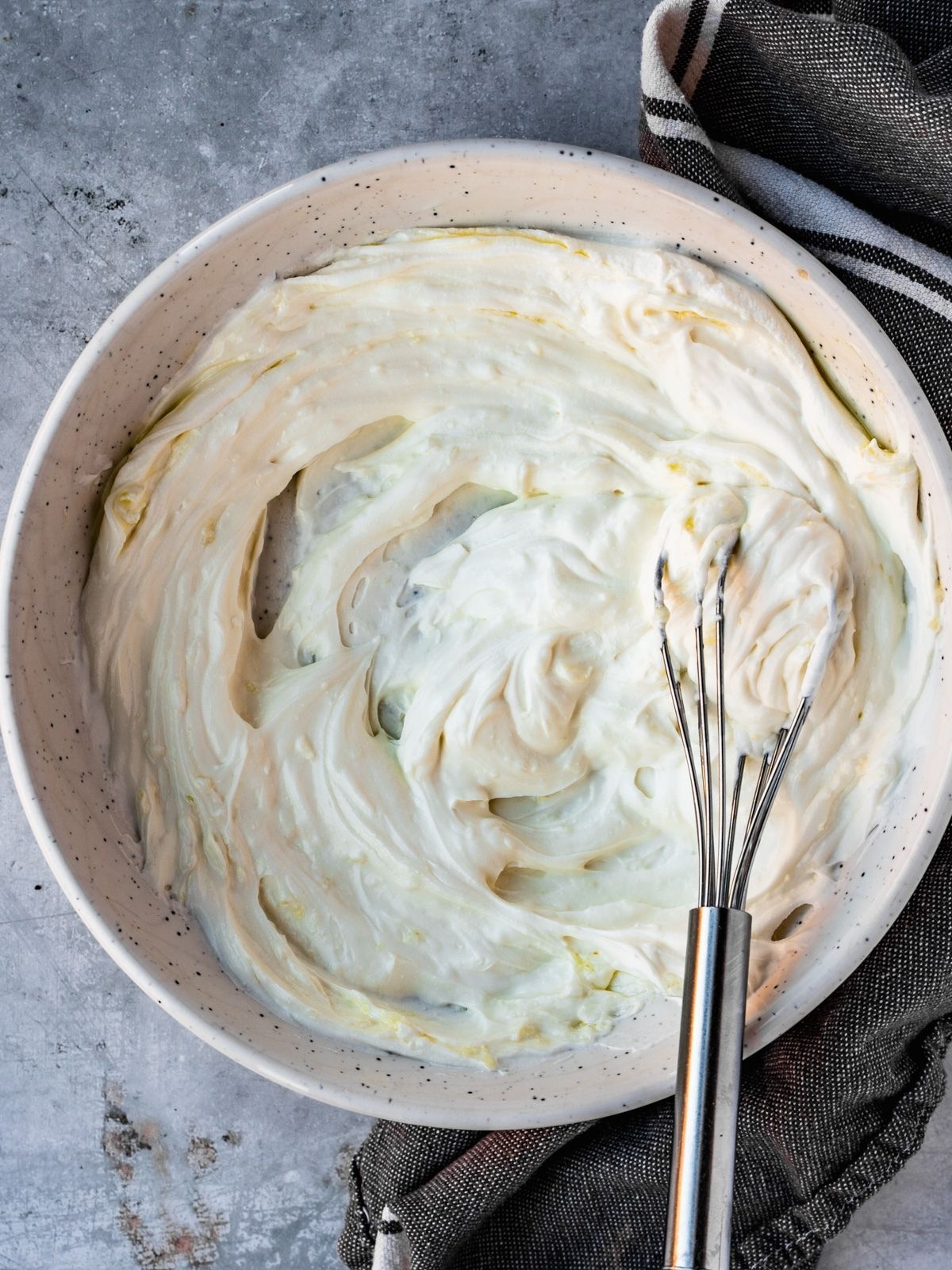
Step 1: Make the labneh base and preheat the oven. Preheat your oven to 375°F (190°C). In a medium bowl, whisk together labneh, minced garlic, a pinch of salt, and a splash of olive oil to loosen the texture.
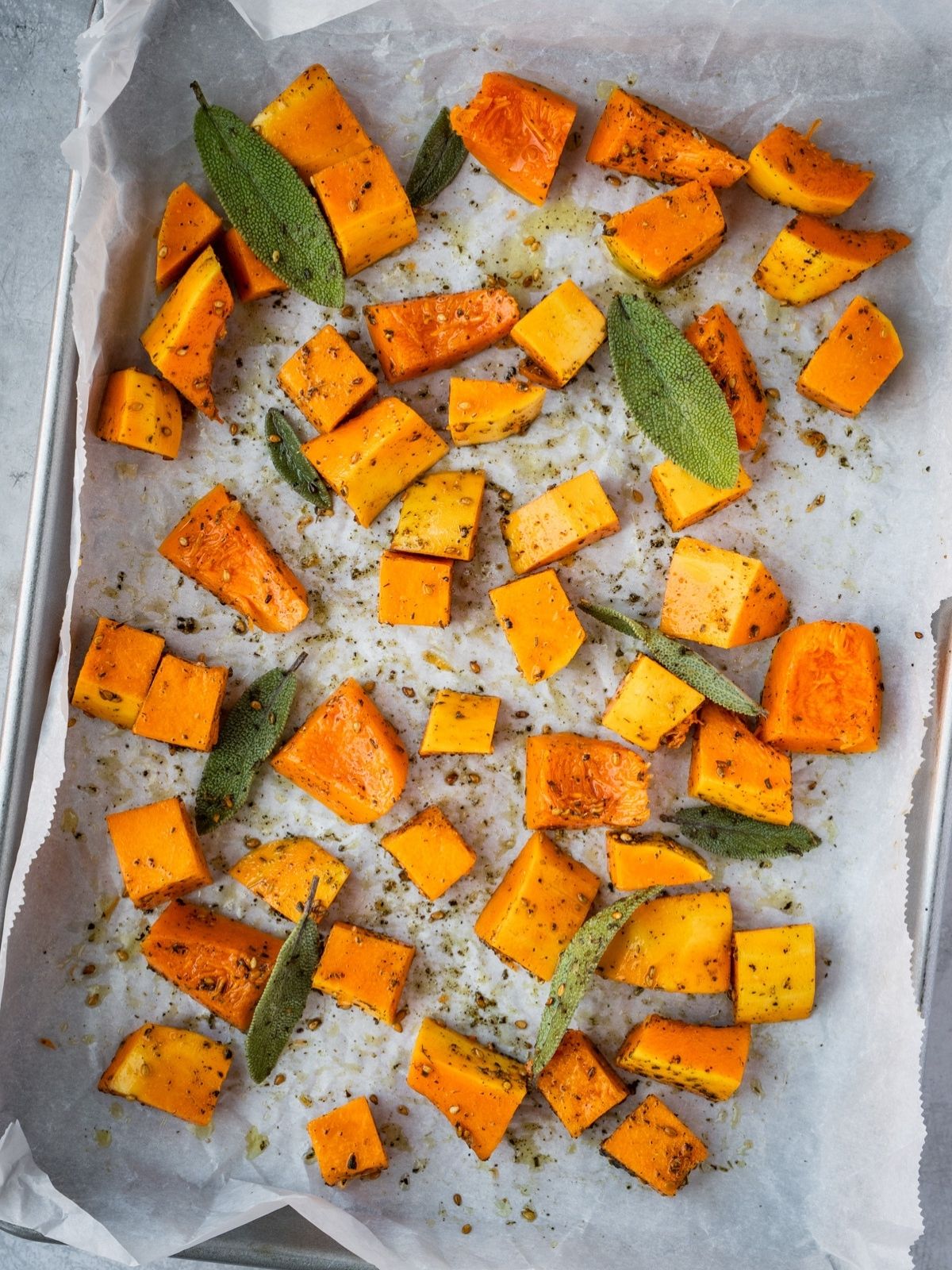
Step 2: Roast the squash. On a parchment-lined baking sheet, toss cubed butternut squash with za’atar, fresh sage, olive oil, salt, and pepper. Roast for 20-25 minutes, or until the squash is tender and slightly caramelized.
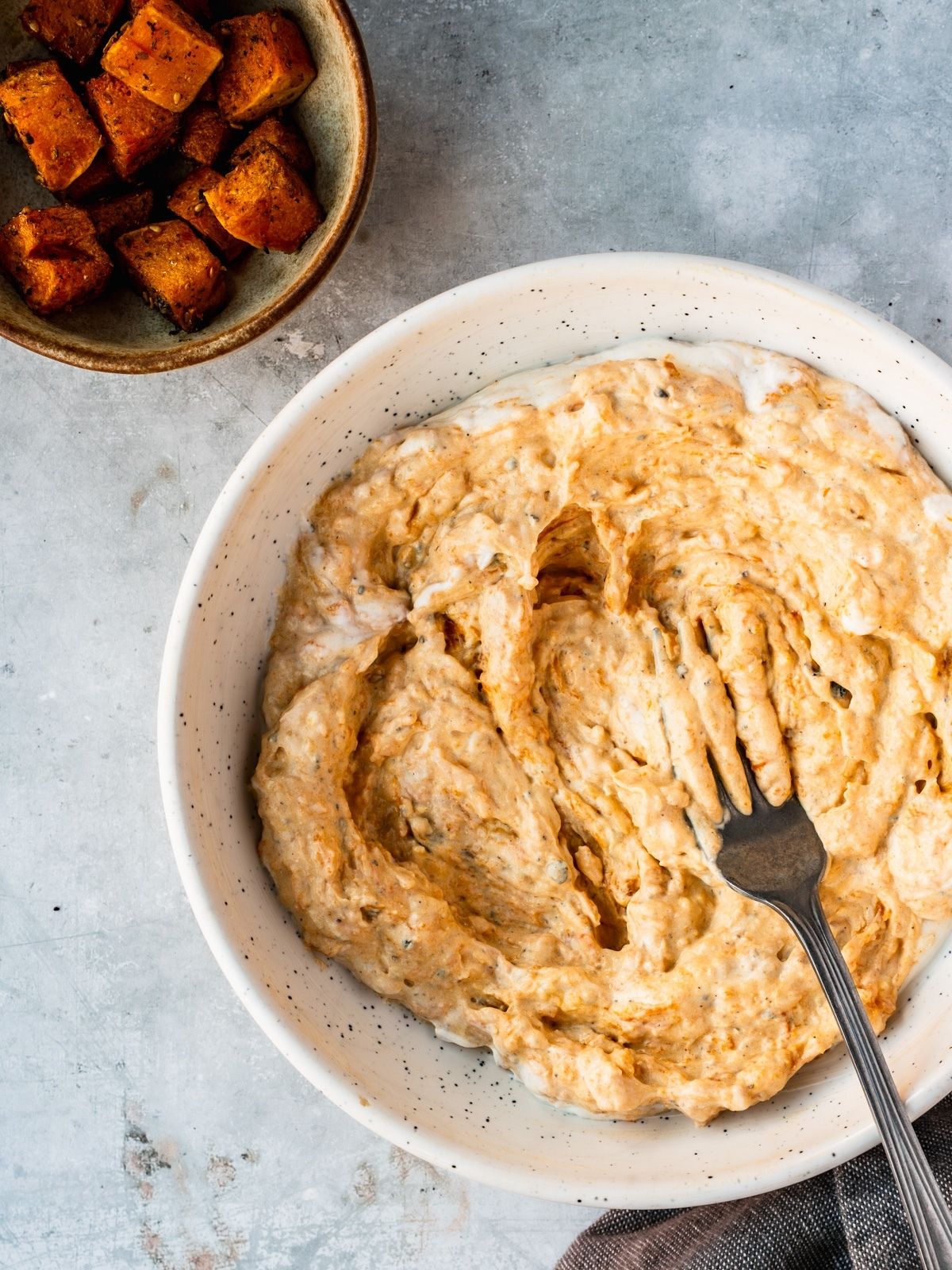
Step 3: Mash. Reserve about half the roasted squash – pick the prettiest pieces for garnish. Add the rest to the labneh base along with any crispy sage from roasting. Mash with a fork until everything is well combined and a little chunky. Taste and adjust seasoning.
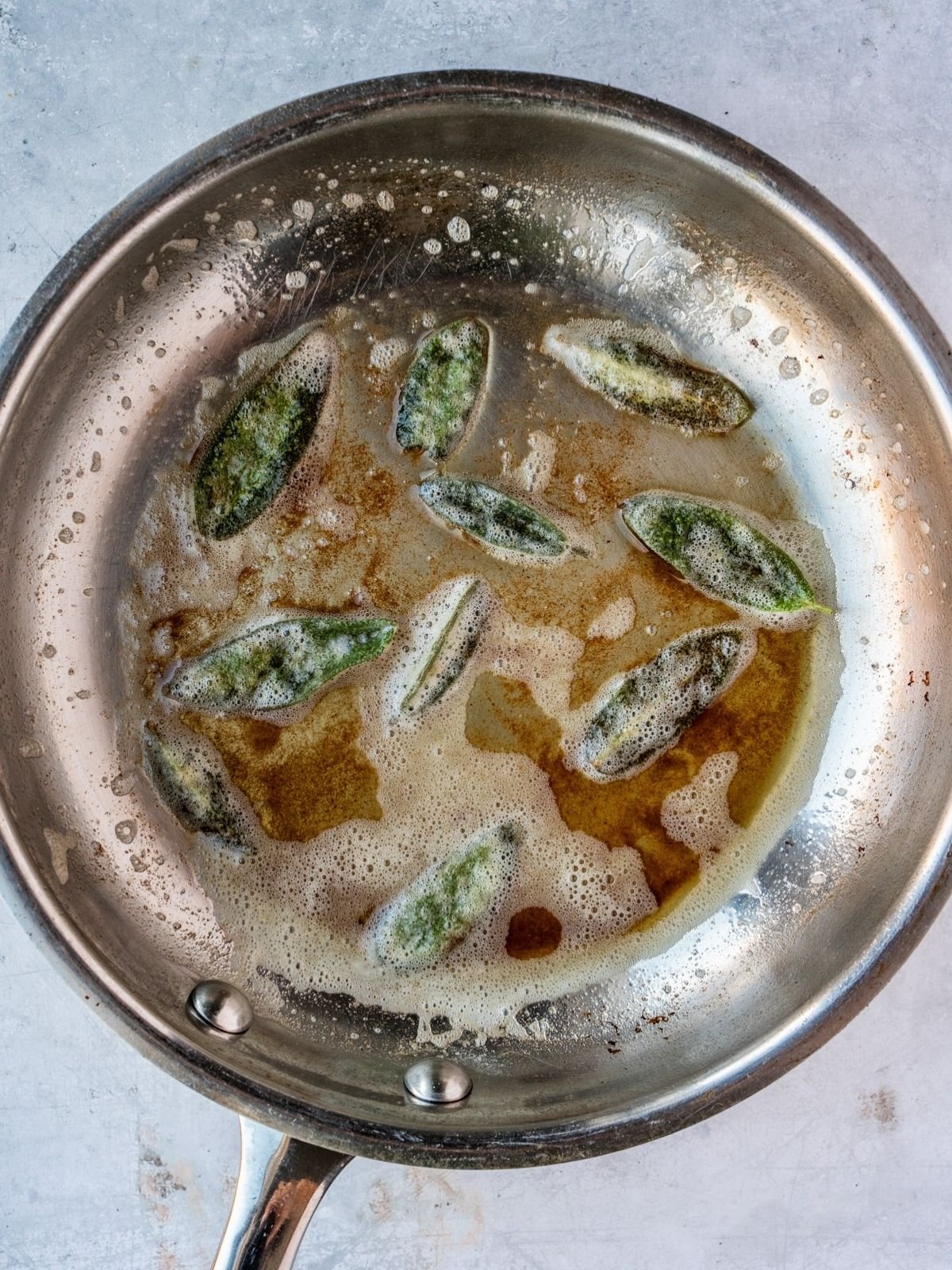
Step 4: Fry the sage garnish. In a small frying pan, melt a tablespoon of butter over medium heat. Add fresh sage leaves and fry for 1-2 minutes. Carefully transfer to a paper towel-lined plate. They’ll crisp up as they cool.
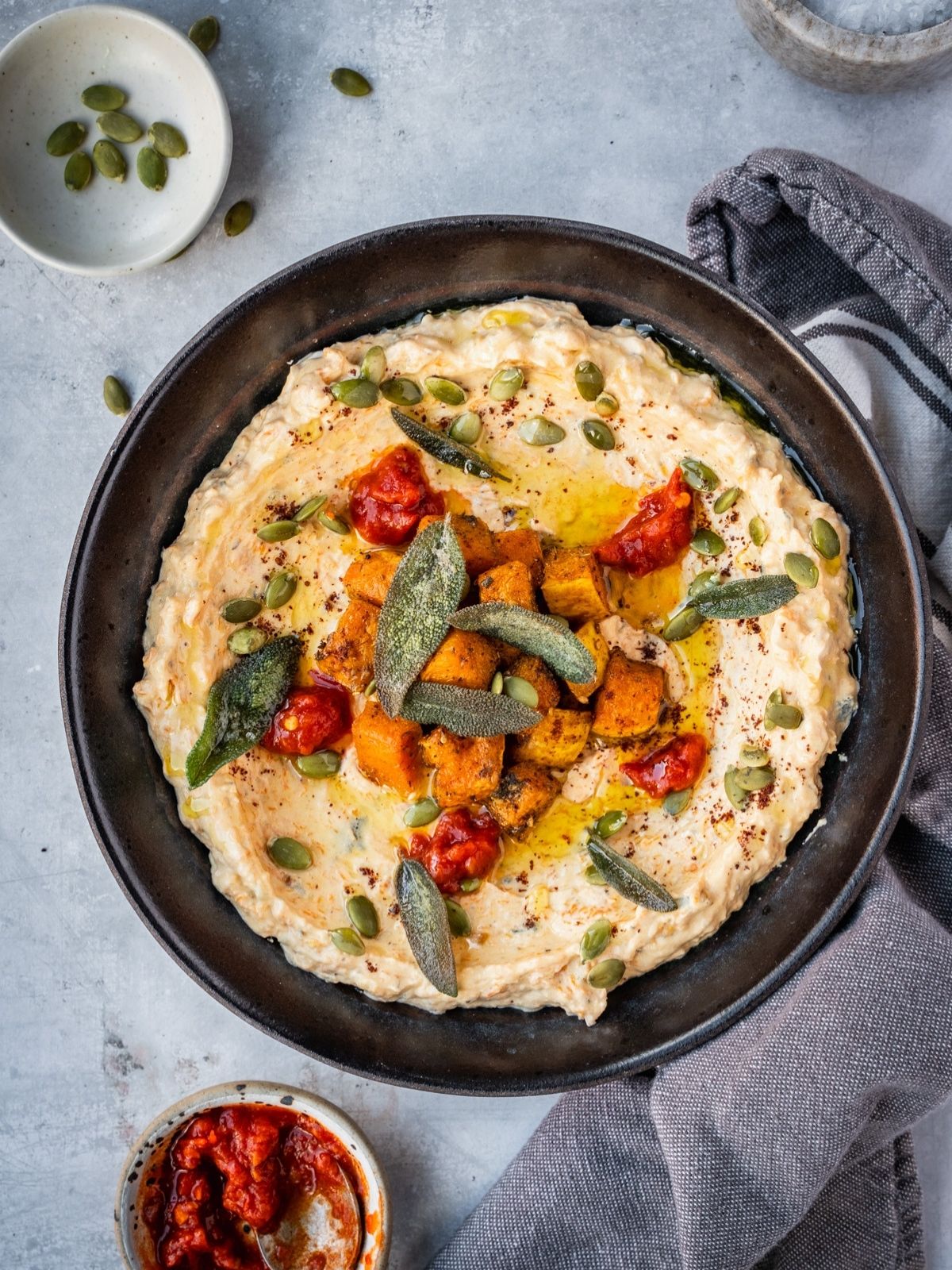
Step 5: Garnish. Spoon the mafghoussa onto a serving plate or shallow bowl. Top with reserved roasted squash, pumpkin seeds, shatta, sumac, and crispy sage. Finish with a generous drizzle of extra virgin olive oil. Serve at room temperature with fresh bread or warm pita.
Expert Tips
- Strain your yogurt well: If making labneh from scratch, strain full-fat Greek yogurt in cheesecloth overnight for the thickest texture. Follow my Homemade Labneh post for directions. Or buy ready-made labneh and save yourself the trouble.
- Roast until caramelized: Let your squash develop some golden edges. This brings out its natural sweetness and adds depth.
- Balance is key: Don’t skip the acid (sumac) and heat (shatta) as they balance the creamy, sweet squash.
Recipe FAQs
Yes! You can roast the squash and prepare the labneh mash a day ahead. Just garnish before serving to keep everything fresh and crisp.
Store in an airtight container in the fridge for up to 3 days. The dip may firm up slightly; stir in a little olive oil to loosen before serving.
Other Palestinian Recipes
Main Dishes
Levantine Recipes

Main Dishes
Levantine Recipes
If you make this Mafghoussa (Labneh with Butternut Squash and Sage) or any other Appetizer Recipe on Urban Farm and Kitchen, please take a moment to rate the recipe ⭐⭐⭐⭐⭐ and leave a comment below. It’s such a help to others who want to try the recipe.
For more Urban Farm and Kitchen, follow along on Instagram, Facebook, and Pinterest, visit the Urban Farm Shop, or subscribe for new posts via email.
Mafghoussa (Labneh with Butternut Squash and Sage)
Ingredients
Labneh Base
- 1 cup Labneh – 250 grams
- 2-3 Garlic cloves (minced)
- ½ teaspoon Salt – 3 grams
- 1 tablespoon Extra virgin olive oil – 15ml
Roasted Squash
- 2 cups Butternut squash (peeled, cored, and cut into cubes) – 250 grams, from half a small butternut squash
- 1 tablespoon Extra virgin olive oil – 15ml
- 1 teaspoon Za'atar spice blend – 6 grams
- ½ teaspoon Salt – 3 grams
- ¼ teaspoon Black pepper – 2 grams
- 8-10 Sage leaves
Fried Sage Garnish
- 1 tablespoon Butter or Ghee – 15 ml
- 8-10 Sage leaves
Remaining Garnish
- Pumpkin seeds, sumac, and a generous drizzle of olive oil – Use your heart to measure
- Shatta Chili Paste – Optional but recommended
Instructions
- Make the labneh base and preheat the oven. Preheat your oven to 375°F (190°C). In a medium bowl, whisk together 1 cup Labneh, 2-3 Garlic cloves (minced), ½ teaspoon Salt, and 1 tablespoon Extra virgin olive oil to loosen the texture. Note: Labneh will soften as it comes to room temperature.
- Roast the squash. On a parchment-lined baking sheet, toss 2 cups Butternut squash (peeled, cored, and cut into cubes) with 1 tablespoon Extra virgin olive oil, 1 teaspoon Za'atar spice blend, ½ teaspoon Salt, ¼ teaspoon Black pepper, and 8-10 Sage leaves. Roast for 20-25 minutes, or until the squash is tender and slightly caramelized.
- Mash. Reserve about half the roasted squash – pick the prettiest pieces for garnish. Add the rest of the roasted squash to the labneh base along with any crispy sage from roasting. Mash with a fork until everything is well combined and a little chunky. Taste and adjust seasoning.
- Fry the sage garnish. In a small frying pan, melt 1 tablespoon Butter or Ghee over medium heat. Add 8-10 Sage leaves and fry for 1-2 minutes. Carefully transfer to a paper towel-lined plate. They’ll crisp up as they cool.
- Garnish. Spoon the mafghoussa onto a serving plate or shallow bowl. Top with reserved roasted squash, crispy fried sage, Pumpkin seeds, sumac, and a generous drizzle of olive oil. Spoon over the optional Shatta Chili Paste. Serve at room temperature with fresh bread or warm pita.
Notes
- Labneh: Thick, tangy strained yogurt cheese that forms the creamy base for this dip. If you can’t find ready-made labneh, you can make your own labneh by straining yogurt overnight.
- Butternut Squash: Fall and winter are the perfect time to prepare this recipe, when local Winter Squash are overflowing in the markets. Honeynut Squash is a good alternative.
- Za’atar: This quintessential Palestinian Spice Blend adds herby brightness and depth. It used to be difficult to find za’atar at the grocery store, but it’s much easier now. You can also make your own za’atar spice mix
- Fresh Sage: used for both roasting and garnishing. Crispy sage leaves add a beautiful touch and texture. They are also super gorgeous.
- Sumac: A sprinkle of this tart, lemony spice brightens everything. You can substitute with a squeeze of lemon juice.
- Shatta: Optional but highly recommended! This spicy chili paste adds heat and depth. You can buy it ready-made or use my Shatta Recipe and make your own!
Nutrition
Nutrition information is automatically calculated, so should only be used as an approximation.
 Like this recipe? Rate & comment below!









Absolutely delicious, and surprisingly easy. Definitely took longer for the squash to caramelize for me, but in the end came out perfect.
Glad you enjoyed it.