My take on Arugula Pesto is bright, peppery, lemony, and comes together in just a few minutes with a handful of ingredients. This recipe is versatile. Toss it with pasta for an easy meal, slather the pesto on crostini, add it to a cheese board, or fold it into a salad dressing.
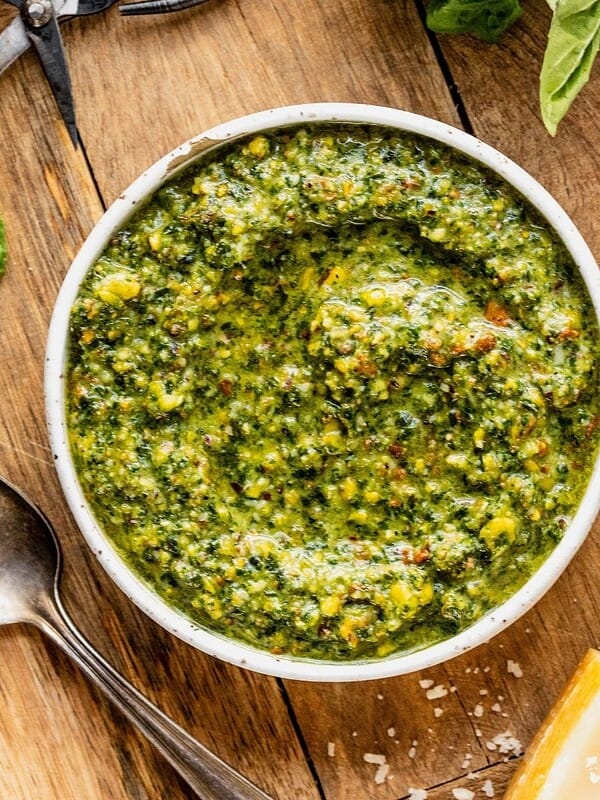
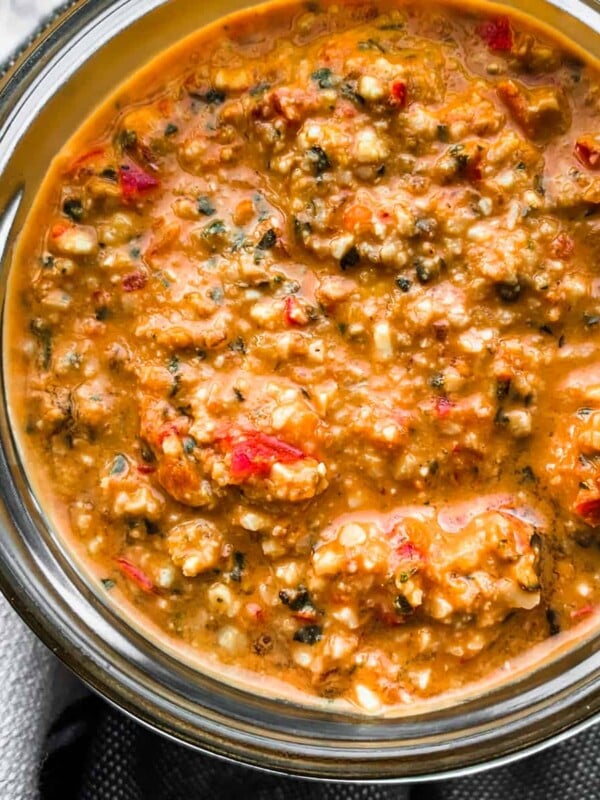
I love making pesto and have a few other recipes you can try, including my Pistachio Pesto, Pea Pesto with Mint, Walnut Basil Pesto and Sicilian Pesto (tomato base).
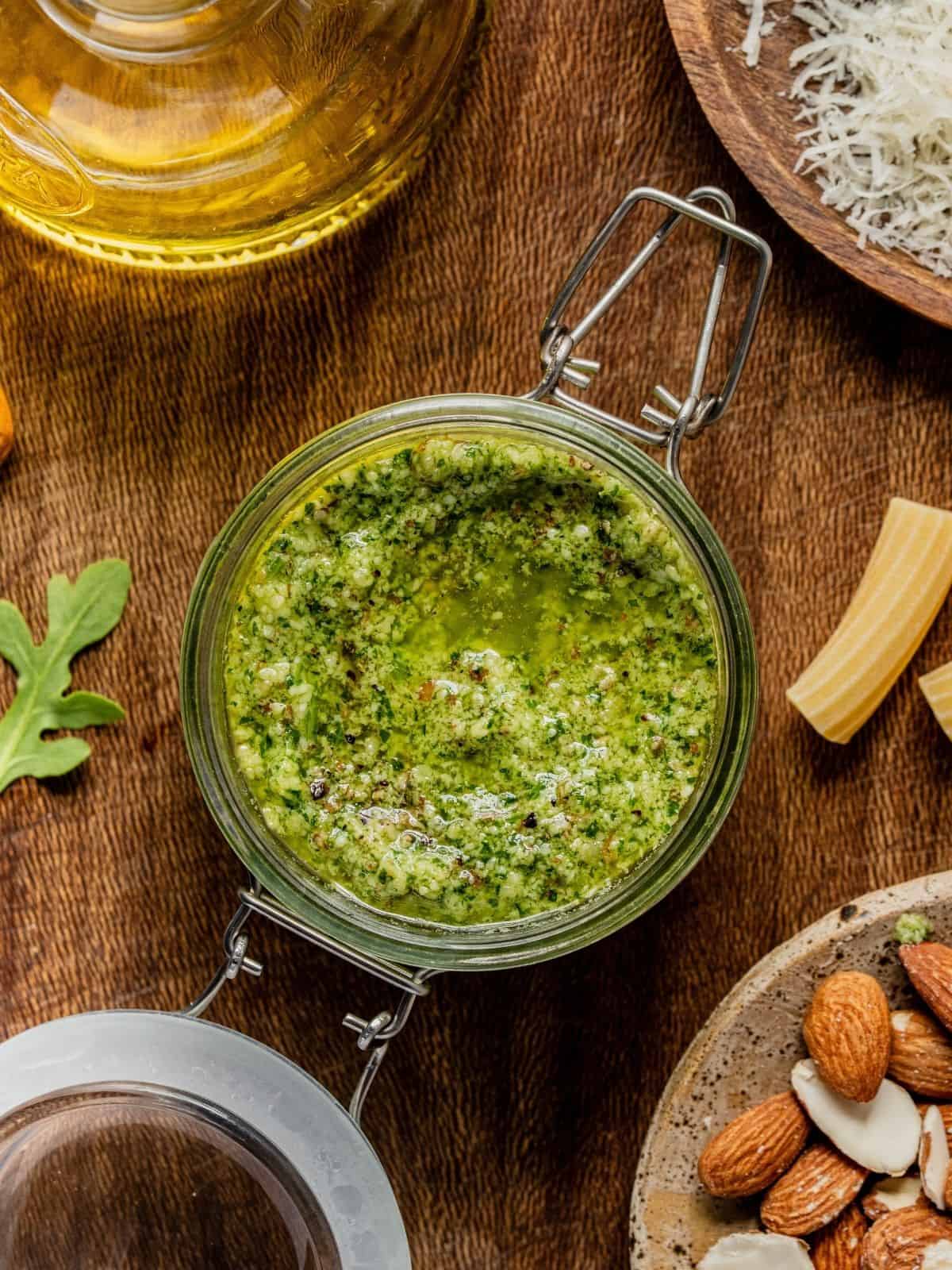
Arugula Pesto: Recipe at a Glance
Prep Time
10 mins
Cook Time
0 mins
Total Time
10 mins
Yield
1 cup (6 servings)
Calories*
189 kcal (Pesto alone)
Difficulty
Easy
Main Ingredients
Fresh arugula, almonds, lemon, parmesan, garlic, extra virgin olive oil, salt and pepper.
Technique
Preparing a pesto using a food processor.
*Calories are estimated
Table of Contents
Why This Recipe Works

- It’s incredibly easy to make. Everything goes into the food processor, and the pesto is ready in minutes.
- Not just for Pasta. It pairs well with pasta of course but also with roasted vegetables, grilled chicken or fish, sandwiches, and simple crostini.
- Tested and works: Groceries can be expensive! All my Preservation Recipes are tested by me, my team or recipe testers before posting.
Ingredients
You will need a handful of pantry and fridge ingredients. Nothing too fancy. And this recipe is also super adaptable, so feel free to play around. Here is what you will need:
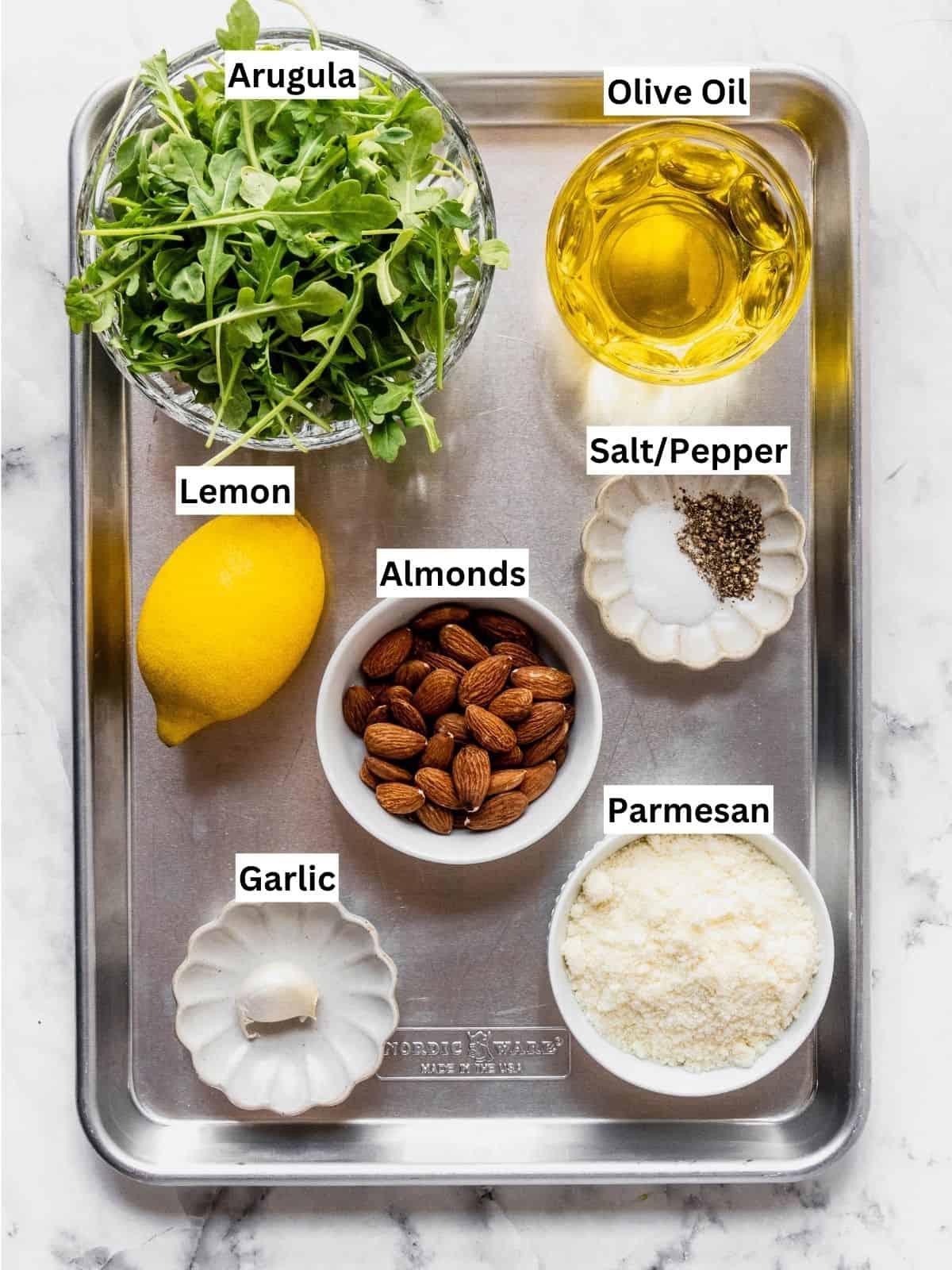
- Fresh Arugula: The star of the show. It gives the pesto its signature peppery bite. Baby arugula works well if you want a slightly milder flavor. Or you can use bunched arugula, which is more mature. I grow arugula in my spring and fall garden. Check out my fresh Basil Walnut Pesto as well if you want something more traditional.
- Almonds: Toasted almonds add nuttiness and body. You can swap them for walnuts, pine nuts, pumpkin seeds or cashews. I also use almonds in my Sicilian Pesto recipe.
- Parmesan Cheese: I like to use Parmigiano-Reggiano. It adds saltiness and richness. I do prefer to grate it myself before adding it to the blender, but you can also use pre-grated. I don’t recommend using that fake Parmesan that is shelf-stable! Pecorino can work too for a sharper finish. Or if you want to keep the recipe vegan, use some nutritional yeast.
- Lemon: You’re going to need both lemon zest and juice here. Lemon is not traditional in pesto, but I like using it for 2 reasons. It helps balance the pepperiness from the arugula and the richness from the olive oil and parmesan. It also helps keep the pesto’s bright green color and reduces the chance of oxidation.
Refer to the recipe card at the bottom of this post for a full list of ingredients and quantities.
How to Make this Arugula Pesto Recipe
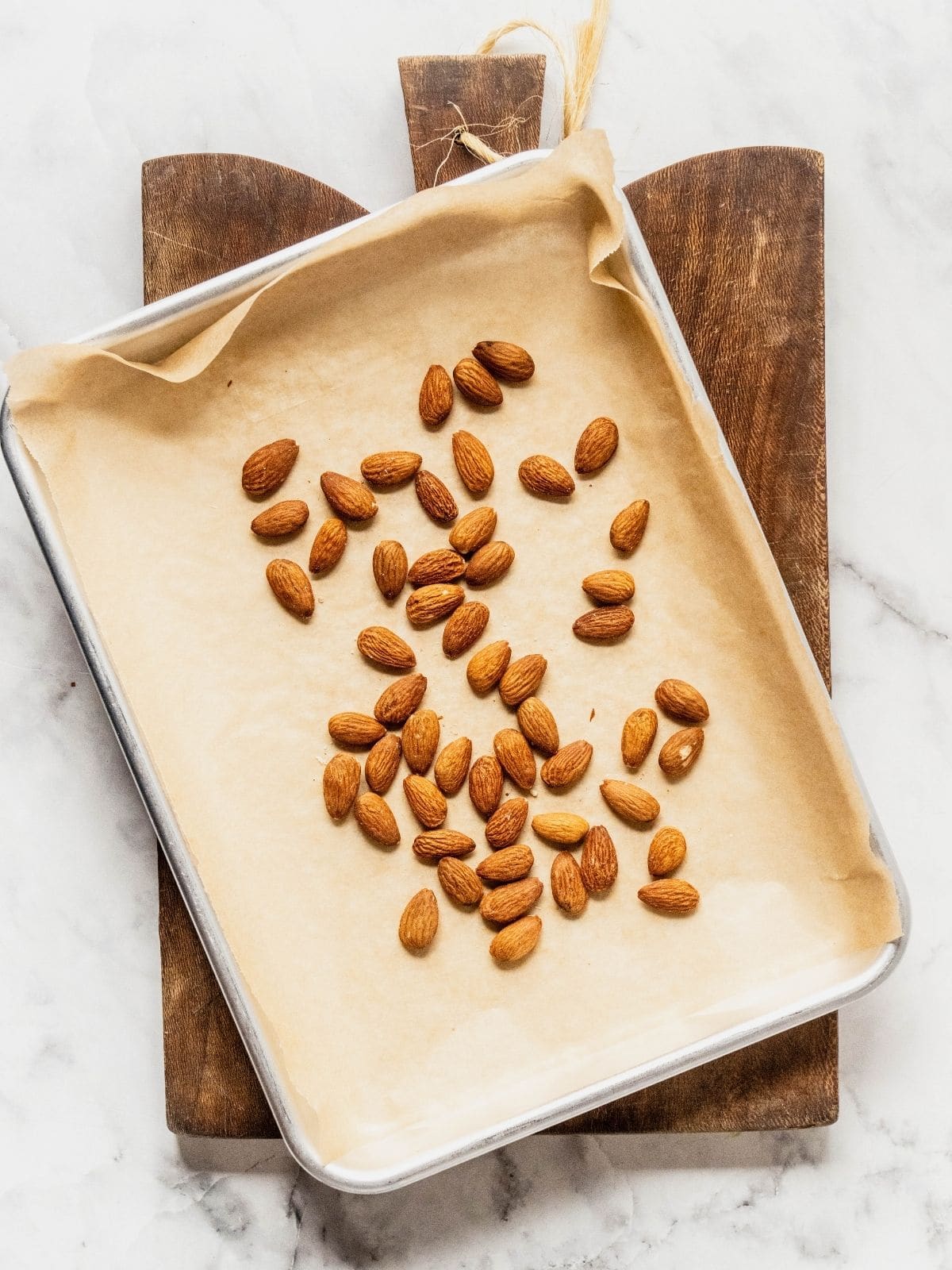
Step 1. Toast your Almonds (Optional). If you are using untoasted almonds, toast them in a 300F oven for 10 minutes.
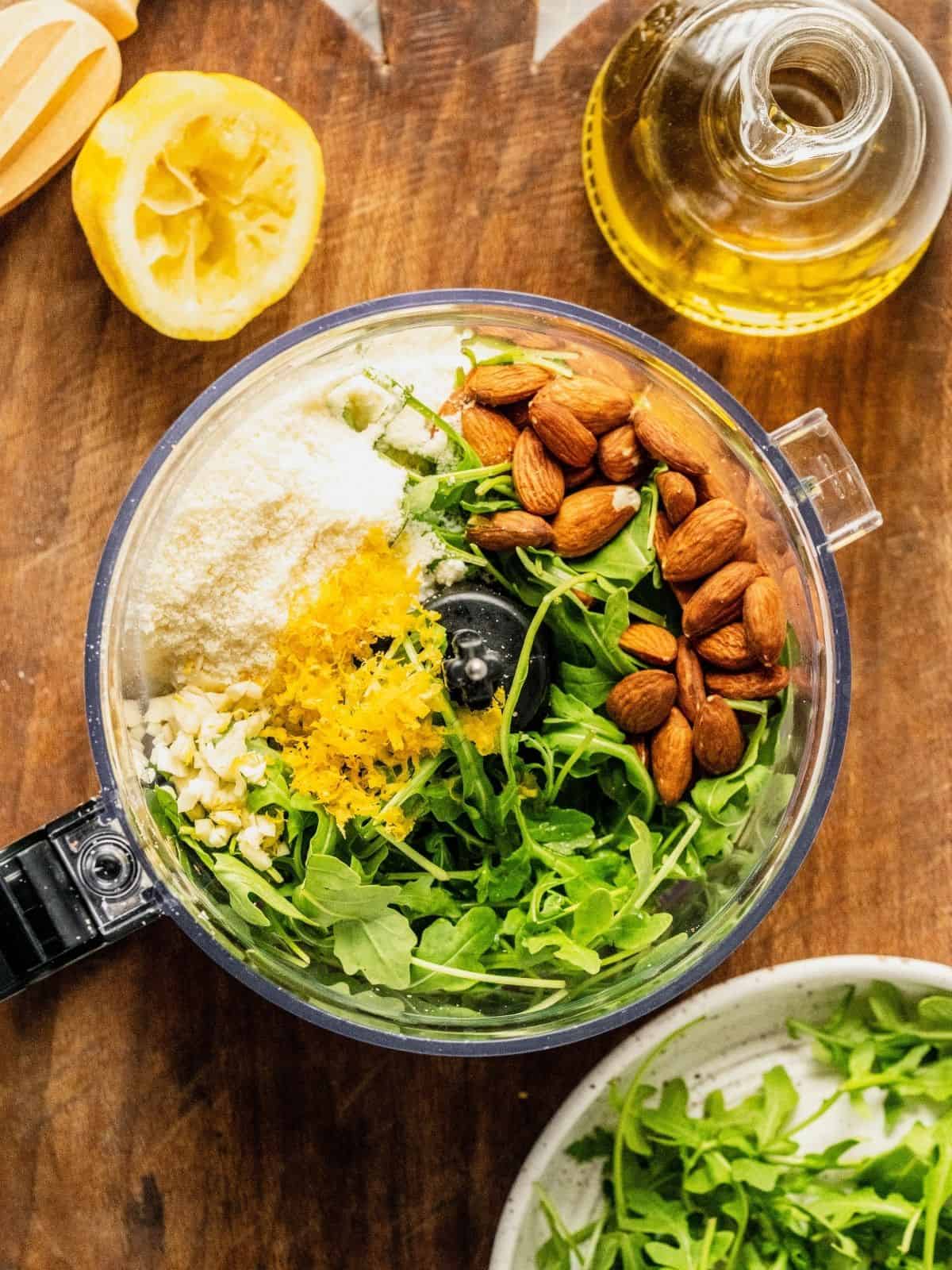
Step 2. Load and Pulse. Add the peppery arugula, toasted almonds, Parmesan, garlic clove, lemon zest, and lemon juice to a food processor. Pulse until everything is finely chopped.
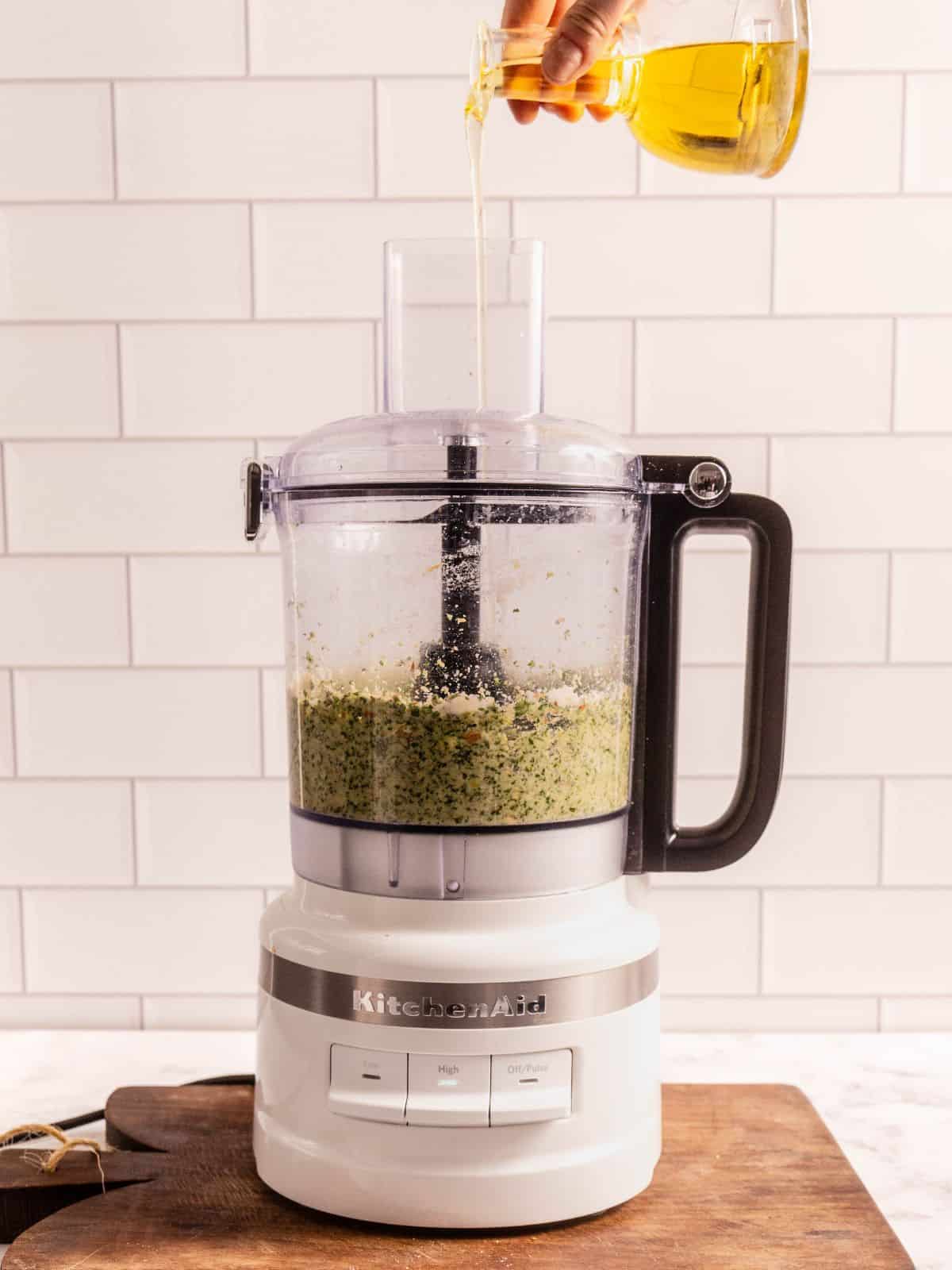
Step 3. Add Oil. With the processor running, slowly drizzle in the extra virgin olive oil until the pesto is smooth and emulsified.
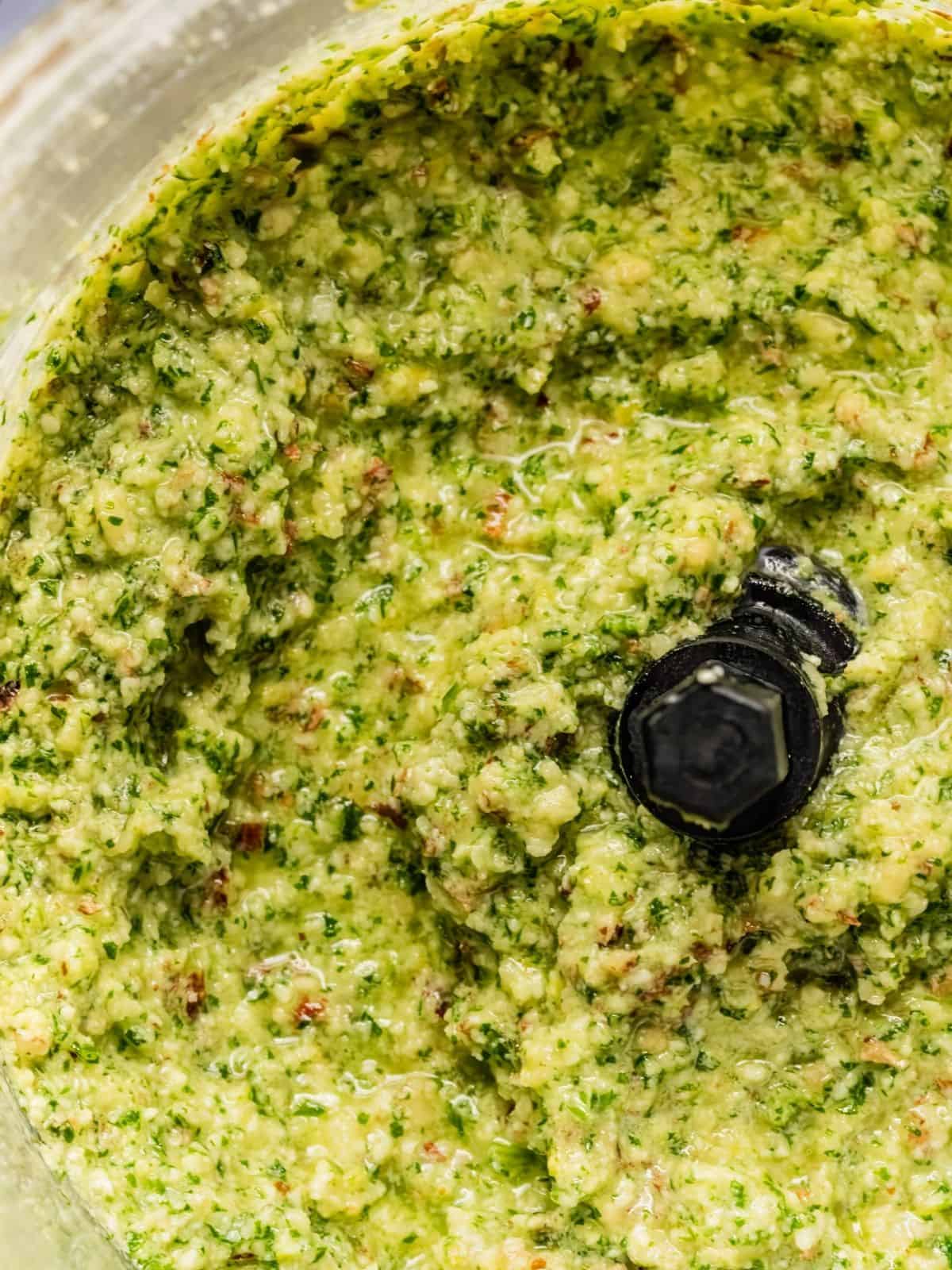
Step 4. Adjust the seasoning. Season with salt and black pepper. Taste and adjust as needed.
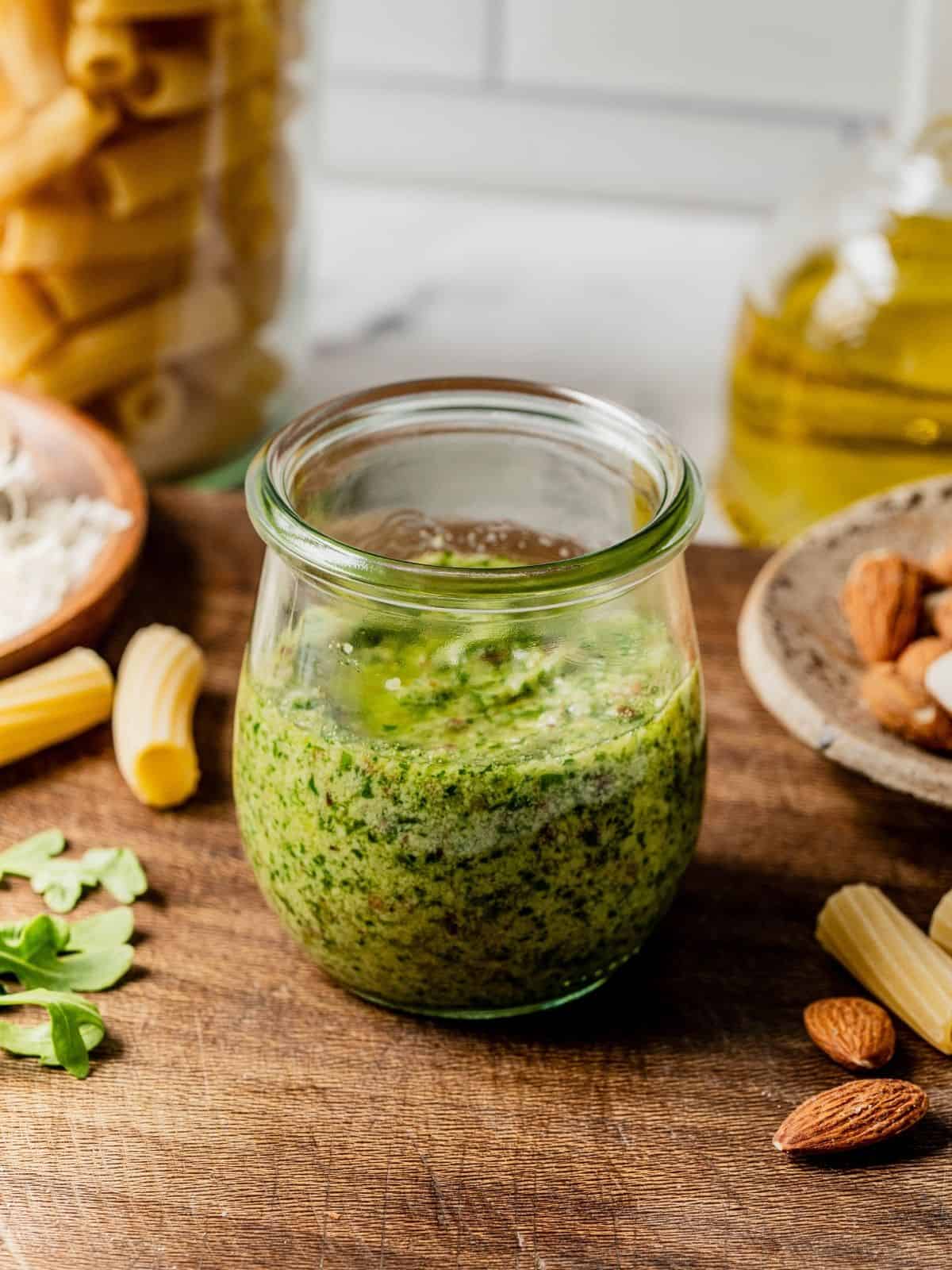
Step 5. Store or Serve. At this point, you can store your pesto in a glass jar in the fridge. Or toss with short pasta and finish with freshly grated Parmesan and a little extra lemon zest before serving.
Pairing and Menu Ideas
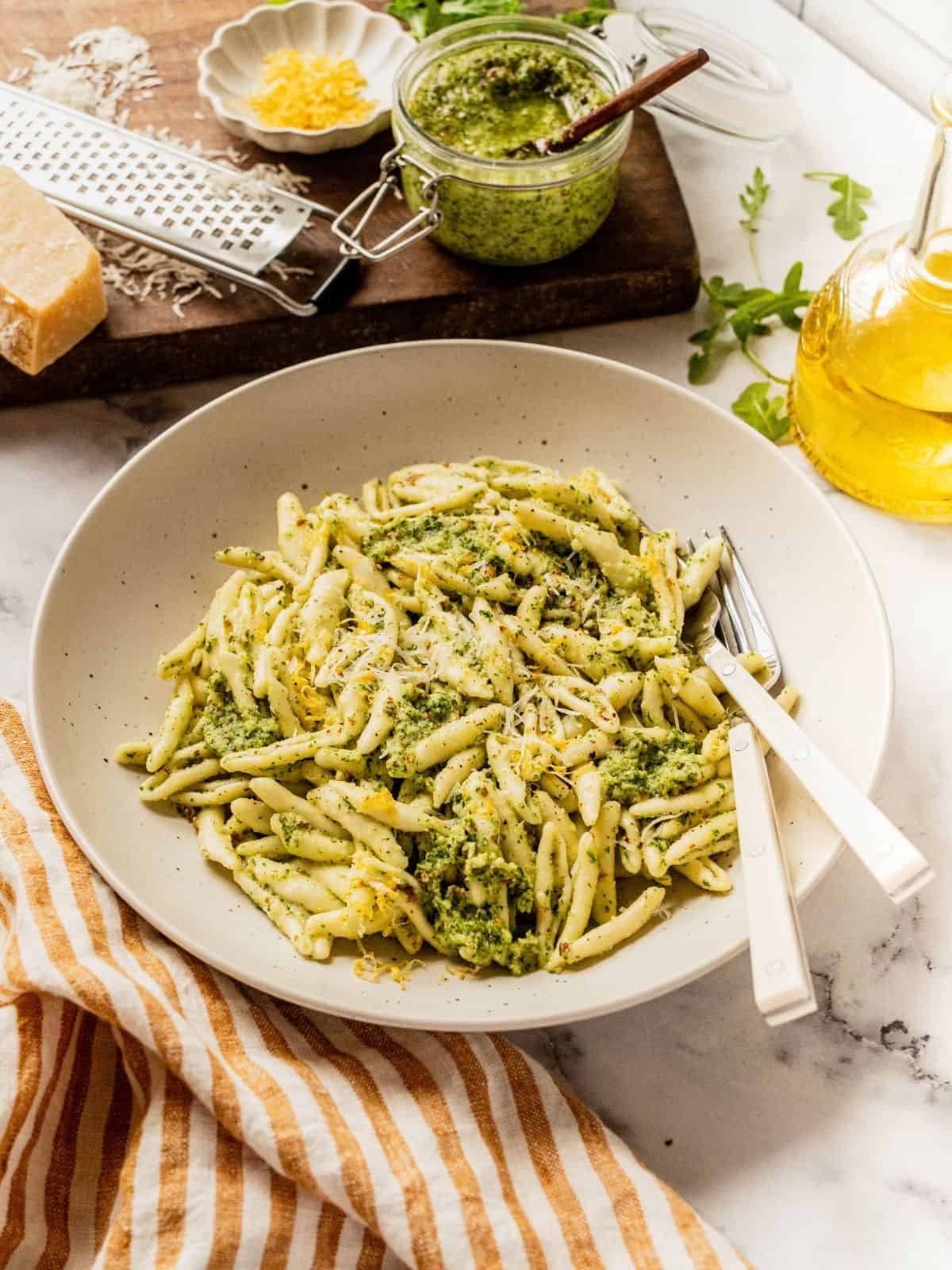
This pesto is especially good with short pasta because all those little ridges and curves catch the sauce so well. I like finishing the bowl with extra Parmesan and a bit more lemon zest to really lean into the fresh, punchy flavor.
A few other ways to use this homemade pesto:
- Enjoy it with freshly toasted bread. Slather it on my Homemade No-Knead Focaccia Recipe or No-Knead Whole Wheat Loaf. Or as a sandwich spread.
- Use it in my Chicken Pesto Pasta Salad
- Layer it over the toasted bread in my Burrata Bruschetta, Eggplant Bruschetta or Goat Cheese Bruschetta before adding the rest of the ingredients.
Expert Tips
- Toast the almonds before blending. That extra step gives the pesto a deeper, nuttier flavor.
- Add the olive oil slowly while the processor runs. This helps the pesto turn silky and cohesive instead of heavy or uneven.
- Taste before serving and adjust with more lemon, salt, or pepper. Arugula can vary a lot in intensity, so a final taste is what makes the pesto feel balanced.
- Freshly grated Parmesan will give you the best texture and flavor. Pre-grated cheese can work in a pinch, but it usually won’t melt into the pesto as smoothly.
- If your pesto feels too thick, loosen it with a small splash of olive oil or even a spoonful of water.
- Scrape down the sides of the bowl once or twice as you blend. It’s a small thing, but it helps everything process evenly.
- My extra tip: keep the garlic restrained. Arugula already has a bold, peppery personality, so too much garlic can make the whole thing taste aggressive instead of bright. I am using one clove here, but you can use 2 or more garlic cloves if you like.
- For making pasta: Save a little pasta water when tossing this with pasta. A splash helps the pesto cling to the noodles and turns it into more of a glossy sauce.
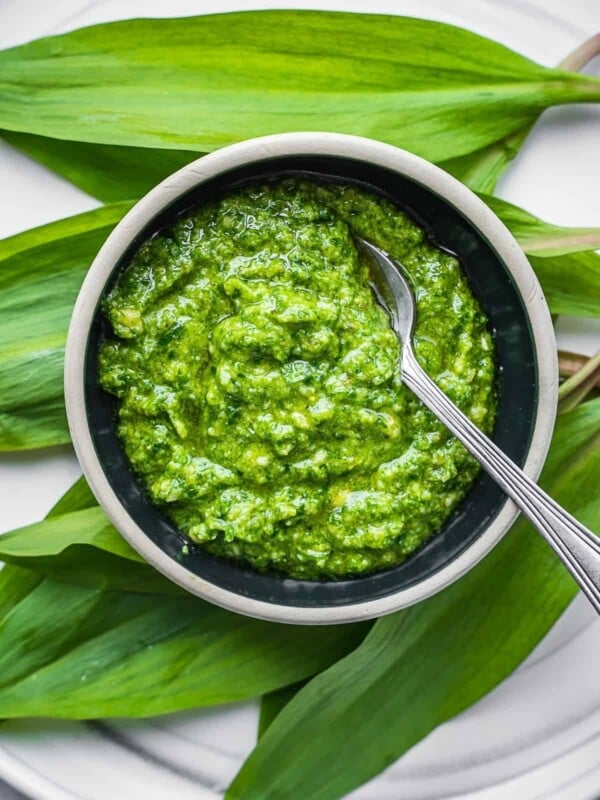
- Go with the seasons. I love making different kinds of pesto depending on the season and what’s available. Try my Ramp Pesto (Wild Leek) and Garlic Scape Pesto, too, if you have access to these seasonal ingredients.
- Other Additions: feel free to play wit the flavor profile with some fresh herbs like basil and parley.
Arugula Pesto Recipe FAQs
Yes. You can make it in advance and keep it in the fridge until you’re ready to use it. It’s a great prep-ahead sauce for pasta nights, sandwiches, or grain bowls. It should last in the fridge for 5 days.
Store the pesto in an airtight container in the refrigerator. I prefer glass over plastic as plastic Tupperware may stain. A thin layer of olive oil on top can help protect the surface from oxidation.
Yes. Arugula pesto freezes very well. You can freeze it for up to 3 months for the best quality, but I have used 6-month-old frozen arugula pesto just fine. Portioning it into small containers or cubes makes it especially convenient. I like to use ice cube trays, small deli containers, small freezer bags or small wide-mouth mason jars to freeze it. Just think about how much you will need for making an average recipe and use small containers to accommodate.
Usually, yes. Arugula has a naturally peppery, slightly bitter edge. The lemon, Parmesan, and almonds help round that out beautifully.
Other Pesto Recipes

Preservation
Condiments
Condiments
Preservation
If you make this Arugula Pesto or any other Condiments and Sauces on Urban Farm and Kitchen, please take a moment to rate the recipe ⭐⭐⭐⭐⭐ and leave a comment below. It’s such a help to others who want to try the recipe.
For more Urban Farm and Kitchen, follow along on Instagram, Facebook, and Pinterest, visit the Urban Farm Shop, or subscribe for new posts via email.
Arugula Pesto with Almonds
Equipment
- Small food processor – Affiliate link
Ingredients
- ⅓ cup Almonds – Use toasted almonds, whole or sliced
- 2 cups Arugula (packed)
- ½ cup Parmesan cheese
- 1 Garlic clove
- 1 tablespoon Lemon zest – From 1 lemon
- 2 tablespoon Lemon juice – From 1 lemon
- ⅓-½ cup Extra virgin olive oil
- Salt and pepper to taste
- Honey – Optional
Instructions
- Toast your Almonds (Optional). If you are using untoasted almonds, toast them in a 300F oven for 10 minutes.
- Load and Pulse. Add the arugula, toasted almonds, Parmesan, garlic clove, lemon zest, and lemon juice to a food processor. Pulse until everything is finely chopped.
- Add Oil. With the processor running, slowly drizzle in the extra virgin olive oil until the pesto is smooth and emulsified.
- Adjust the seasoning. Season with salt and black pepper. Taste and adjust as needed. If your pesto is too bitter, you can balance it out with a little honey.
- Store or Serve. At this point, you can store your pesto in a glass jar in the fridge. Or toss with short pasta and finish with freshly grated Parmesan and a little extra lemon zest before serving.
Notes
- Fresh Arugula: The star of the show. It gives the pesto its signature peppery bite. Baby arugula works well if you want a slightly milder flavor. Or you can use bunched arugula, which is more mature.
- Almonds: Toasted almonds add nuttiness and body. You can swap them for walnuts, pine nuts, pumpkin seeds or cashews.
- Parmesan Cheese: I like to use Parmigiano-Reggiano. It adds saltiness and richness. I do prefer to grate it myself before adding it to the blender, but you can also use pre-grated. I don’t recommend using that fake Parmesan that is shelf-stable! Pecorino can work too for a sharper finish. Or if you want to keep the recipe vegan, use some nutritional yeast.
- You can make it in advance and keep it in the fridge until you’re ready to use it. It’s a great prep-ahead sauce for pasta nights, sandwiches, or grain bowls. It should last in the fridge for 5 days.
- Store the pesto in an airtight container in the refrigerator. I prefer glass over plastic as plastic Tupperware may stain. A thin layer of olive oil on top can help protect the surface from oxidation.
- Arugula pesto freezes very well. You can freeze it for up to 3 months for the best quality, but I have used 6-month-old frozen arugula pesto just fine. Portioning it into small containers or cubes makes it especially convenient.
Nutrition
Nutrition information is automatically calculated, so should only be used as an approximation.
 Like this recipe? Rate & comment below!